The Possible Anti-depressant Effects of Magic Mushrooms

By Maisha Pathan, March 9, 2024

Depression is a debilitating condition that affects up to 17.8% of American adults as of
2023 (Witters). Although there are countless treatment options in the form of antidepressants,
and therapy, sometimes, these treatments may still not be enough to provide relief for those
suffering from depression. Shrooms, also known as magic mushrooms may be an emerging
answer to those seeking an alternative. This unorthodox form of treatment called
psilocybin-assisted therapy (PAT) is gaining popularity, and the results are significant enough to
be brought to the public’s attention. In PAT, the patient is given a dose of the psychedelic
psilocybin, also known as magic mushrooms, in a controlled setting while their assigned
therapist stands by to monitor the experience. Despite its low toxicity and even being safer than
nicotine and aspirin, the stigma surrounding psychedelics causes people to hesitate even
considering this as an option, on top of which it’s still a controlled substance by the government
(Lowe et al. 20). However, research obtained from clinical trials shows that in a controlled
environment and administered by a trusted professional psilocybin has a powerful impact on
depressive symptoms, and many participants report improvement in their condition after their
sessions. For the people struggling with treatment-resistant depression, severe depression, or
anyone who finds that medication and therapy aren’t helping them: psilocybin-assisted therapy
could be a viable option for treating depression and should be offered alongside therapy and
medication.


Historically, psilocybin mushrooms have been in use for centuries, prominently in the
Aztec empire around the 15th century. The substance was referred to as “god’s flesh” in Nahuatl
and used in religious and healing rituals (Nichols 679). However, it wasn’t until 1957, when
Albert Hoffman a chemist who (also created LSD) isolated psilocybin from a Mesoamerican
psilocybin mushroom, and published its effects, that magic mushrooms entered modern
American society (Nichols 680) . Although the substance was then used in psychedelic therapy,
it became popularized for its recreational use during the 60’s aided by the hippie movement,
until the USA passed the Comprehensive Drug Abuse Prevention and Control Act of 1970,
which marked it as an illicit drug along with LSD and other psychedelics. Despite these
restrictions, psilocybin continued to be used recreationally by citizens and has been gaining
more traction in media.


Major depressive disorder is a serious depressive disorder that can have a lasting impact
on the brain. This damage essentially rewires the brain which can keep the person in their
depressive state for a prolonged amount of time. The compounds that makeup psilocybin can
sometimes reverse, or rewire, the damage depression does to the brain. According to an article
published by Healthline, a medical information website, depression can shrink regions of the
brain governing memory (hippocampus), emotion (amygdala), and cognitive functions
(prefrontal cortices). As a result of shrinking, function in these brain regions such as emotional
regulation and interest, memory, and concentration are also diminished (“5 Ways Depression
Can Physically Affect the Brain”). Psilocybin, specifically psilocin comes into play here due to
its role as a subtype of serotonin receptor. It activates a serotonin receptor called the 5-HT2A
which increases serotonin levels similar to SSRIs (2-Minute Neuroscience: Psilocybin, 0:16). In
a study conducted by researchers at Weill Cornell Medicine, an fMRI was used to show how the
activation of the 5-HT2A serotonin receptor by psilocin affected the brain landscape. The results showed that on psilocin, the brain lowered energy barriers between different regional
connections in the brain which allowed regions of the brain that were typically not stimulated to
be activated. Due to the flattening of the brain’s energy landscape, new connections could be
made between different brain regions, enabling neuroplasticity and promoting neurogenesis,
which is generation of new neurons. This opens up space that allows the brain to rewire itself,
and if the psilocybin is taken in a clinical setting such as in a PAT session, old patterns of
thinking can be replaced with new, expansive thought patterns which can reverse the effects of
depression on the brain by fostering new connections (Kuceyeski).


The structure of PAT is what makes it so successful and extremely safe in treating
depression. It’s is controlled by doctors and therapists in a clinical setting and is spread
throughout three stages: a preparatory stage, an administration stage, and an integration stage
(Schuitmaker 2). Each stage of PAT plays a significant role in how effective the treatment will
be for the patient while maintaining the environment in a controlled setting.


In the preparatory stage, participants attend several psychotherapy sessions to set their
goals and intentions for their experience. This creates the set and setting. Although individuals’
experiences on psilocybin vary from person to person an important factor to the experience is set
and setting. An article analyzing PAT in medicine by Cureus, a peer-reviewed medical journal,
explains that set refers to a patient’s goals and intentions for their psilocybin experience and is
discussed with their therapist so that it could be used to guide the individual and keep them on
track. The setting refers to the patient’s mental, physical, and emotional state prior to and during
the treatment. Attending these preparatory therapy sessions helps the therapist assess when and
where treatment should take place (Ziff et al. 7).


Once the patient is prepared, the next stage is “administration” which the Yale Manual for
Psilocybin-Assisted Therapy of Depression details. Typically, on the day of administration, the
patient is taken to a homey, welcoming room, where they lie down on the couch, put on
headphones, run a musical playlist, and wear a blindfold. The dose of psilocybin provided can
vary but typically is less than 1 gram and based on what the participant can handle. The music,
lying down, and blindfold work together to create a relaxing environment where the patient can
feel safe. They know that if they need any support they have their therapist right there next to
them. These measures create a controlled environment for the patient, minimizing possible
adverse reactions like anxiety or paranoia which can lead to nausea or vomiting. Once the patient
is settled and has consumed their psilocybin dose, the drug slowly takes effect, guiding them on a
journey into the depths of their mind. The therapist only guides the patient when needed based on
the goals and intentions set in the preparatory sessions, and otherwise does not interfere with the
psilocybin trip (Guss et al. 45-50).


The day after administration takes us to the third stage, “integration.” Integration
consists of several sessions through the following weeks during which the therapist asks the
patient about their experience, what they saw, felt, learned, what they’d like to take away from
their experience, and how to integrate that into their lives (Guss et al. 51-60). Although all three
stages of psilocybin-assisted therapy are equally as important, integration ensures that the
positive experiences are incorporated into the patient’s life and have a lasting effect while the
negative experiences if any are worked through. This structuring makes the therapeutic
administration of psilocybin safe and maximizes the benefits the substance can provide a
patient.

The effectiveness of psilocybin-assisted therapy as a treatment is evident in a number of studies.
In an article published by Johns Hopkins Medicine, the efficiency of using psilocybin to treat
major depression is explored through two studies conducted under their Psychiatry and
Behavioral Sciences department. The results found from both studies showed that using
psychedelic therapy by giving each participant a dose of psilocybin followed by psychotherapy
significantly reduced the symptoms of depression in both studies. Half of the participants in the
first study entered remission from depression at the end of the four-week follow-up. In the
second study, participants with a long history of depression on antidepressants were provided two
doses of psilocybin in a few weeks. They took a GRID-Hamilton Depression Rating Scale before
and after. The results showed that 67% of the participants showed a reduction in their symptoms
after a week, and four weeks after treatment, 54% of participants in the study were in remission
(“Psychedelic Treatment with Psilocybin Relieves Major Depression, Study Shows”). In another
study conducted by the Psychiatric University Hospital of Zurich, 52 participants suffering from
major depressive disorder were treated with psilocybin-assisted therapy. Half of them were given
psilocybin while the other half, 26 individuals were given a placebo. The results showed that
psilocybin significantly decreased depressive symptoms in those who had it, more than those
who received a placebo along with their therapy sessions. By the end of the study 14 out of 26,
met the criteria for remission from depression on the Montgomery–Åsberg Depression Rating
scale. In comparison to the placebo group in which the treatment was technically seven required
therapy sessions, 4 out of 26 met the criteria for remission demonstrating that psilocybin was the
driving force for the symptom reductions (Rotz 7-10).


In one clinical PAT trial conducted by NYU School of Medicine, the participants were four
cancer patients struggling with depression and anxiety. At the end of their participation which
spanned 26 weeks, each patient demonstrated a significant reduction in their depressive
symptoms which resulted from the experiences they had during their trips.
Many people suffering from depression who participated in psilocybin-assisted therapy
clinical studies report having positive experiences that aided in reducing their depressive
symptoms. Chrissy, a 50-year-old female with stage 4 breast cancer stated “[The psilocybin
experience] brought my beliefs to life, made them real, something tangible and true – it made my
beliefs more than something to think about, really something to lean on and look forward to,”
(Malone et a. 4). Although Chrissy knew that she was still going to pass, she was able to accept
and even look forward to the time she had left. In a separate trial by the Faculty of Medicine at
Al-Hikma University, ten participants struggling with depression were treated their with
psilocybin-assisted therapy. During an integration session with their therapist, a young adult
known as Participant 1 stated, “My whole thought pattern changed. I was so relieved. My head
had never been clearer. I was so happy the day after cried to my trip buddy about how I could see
again…. I was on three different anti-depressants, valium, and sleeping pills. This stopped within
2 weeks of my first dose,” (Hisham et al. 3). Many other participants from the same study
reported the experience was mind-expanding, and gave them a more positive outlook in life. The
experiences of the participants in this particular study are consistent with the neuroplasticity
effect psilocybin can have on the brain which allows it to create new connections and eradicate
old, negative thought patterns.


Psilocybin-assisted therapy has proven to be a worthwhile treatment venture for many of the
patients who participated in treatment for their depressive disorders. It’s important to note that psilocybin in this case is being used for treatment, not for recreation or self-exploration and
because it is being used for treatment by entrusted clinics it poses a relatively low risk, if at all to
those who receive it. However, that is not to say that this should be an option for everyone.
Studies have shown that people who are genetically predisposed to psychotic disorders such as
Schizophrenia can be triggered if exposed to any psychedelic substances such as psilocybin, in
the case where if they hadn’t been exposed to the substance they would not have developed any
form of psychosis (Ziff et al. 8). This is however, managed under psilocybin-assisted therapy as
before being able to receive it, all patients must undergo medical health screening to ensure it
will be an appropriate option for them. Many of the clinical studies on PAT usually begin with a
large pool of participants, which is slowly trickled down to a very small number via medical
health screening. The doses of psilocybin provided by these clinics are also quite moderate, and
typically less than even 1 gram which is the starting dose for recreational users. Years of research
and studies have gone on to show that psilocybin-assisted therapy can bring profound
improvement to depressive symptoms, especially for those who have exhausted all other options
such as medications and therapy. Age, health, and environment are all factors to consider when it
comes to PAT and it should be offered based on a mutual decision between the patient and their
mental healthcare provider. Although psilocybin-assisted therapy is not currently offered as an
official treatment and can only be accessed by participating in clinical trials, this may change
soon. In 2018, the FDA granted psilocybin-assisted therapy “break-through therapy” status
which means they will prioritize reviewing it soon for approval meaning it could soon be widely
offered for treatment (Coleman). For those struggling with depression who haven’t found relief
from any of the current treatment options, or are interested in trying psilocybin-assisted therapy,
this may be good news. Still, as in all cases, it’s important to do your own research to determine
whether this is the right option for you.

  1. Alshaikhli, Hisham, et al. “Effectiveness of Psilocybin on Depression: A Qualitative Study.”
    Electronic Journal of General Medicine, vol. 18, no. 3, Apr. 2021, p. em296,
    https://doi.org/10.29333/ejgm/10862.
  2. Coleman, Theara, and The Week US last updated. “The Legal State of Psychedelic Therapy in
    the US.” The week, 25 June 2023,
    theweek.com/drugs/1024449/the-state-of-psychedelic-therapy-in-the-us. Accessed 26
    Oct. 2023.
  3. Guss, Jeffrey, et al. “The Yale Manual for Psilocybin-Assisted Therapy of Depression (Using
    Acceptance and Commitment Therapy as a Therapeutic Frame).” Yale Manual for
    Psilocybin-Assisted Therapy of Depression , Aug. 2020,
    https://doi.org/10.31234/osf.io/u6v9y. Accessed 4 Nov. 2021.
  4. Kuceyeski, Dr. Amy. “Psychedelic Drugs Flatten the Brain’s Dynamic Landscape.” WCM
    Newsroom, Weill Cornell Medicine, 2022,
    news.weill.cornell.edu/news/2022/10/psychedelic-drugs-flatten-the-brain%E2%80%99s
    dynamic-landscape
    .
  5. Lowe, Henry, et al. “The Therapeutic Potential of Psilocybin.” Molecules, vol. 26, no. 10, Jan. 2021, p. 2948, https://doi.org/10.3390/molecules26102948.
  6. Malone, Tara C., et al. “Individual Experiences in Four Cancer Patients Following Psilocybin-Assisted Psychotherapy.” Frontiers in Pharmacology, vol. 9, 2018, p. 335252, https://doi.org/10.3389/fphar.2018.00256. Accessed 26 Oct. 2023.
  7. Nichols, David E. “Psilocybin: From Ancient Magic to Modern Medicine.” The Journal of Antibiotics, vol. 73, no. 10, May 2020, pp. 679–86, https://doi.org/10.1038/s41429-020-0311-8.
  8. Neuroscientifically Challenged. “2-Minute Neuroscience: Psilocybin.” YouTube, YouTube Video, 5 May 2020, www.youtube.com/watch?v=XBEas8MGzd0.
  9. Rotz, Robin, et al. “Single-Dose Psilocybin-Assisted Therapy in Major Depressive Disorder: A Placebo-Controlled, Double-Blind, Randomised Clinical Trial.” EClinicalMedicine, vol. 56, Feb. 2023, p. 101809, https://doi.org/10.1016/j.eclinm.2022.101809.
  10. Schuitmaker, Nicole. “Psilocybin-Assisted Therapy: A Scoping Review of Participants’ and Facilitators’ Experiences in Qualitative Studies.” Research, Society and Development, vol. 12, no. 9, Sept. 2023, p. e12312943308–e12312943308, https://doi.org/10.33448/rsd-v12i9.43308. Accessed 26 Oct. 2023.
  11. Witters, Dan. “U.S. Depression Rates Reach New Highs.” Gallup.com, 17 May 2023, news.gallup.com/poll/505745/depression-rates-reach-new-highs.aspx#:~:text=In%202023%2C%2029.0%25%20of%20Americans. Accessed 19 Aug. 2023.
  12. Ziff, Shawn, et al. “Analysis of Psilocybin-Assisted Therapy in Medicine: A Narrative Review.” Cureus, vol. 14, no. 2, Feb. 2022, https://doi.org/10.7759/cureus.21944.
  13. “Psychedelic Treatment with Psilocybin Relieves Major Depression, Study Shows.” Www.hopkinsmedicine.org, 4 Nov. 2020, www.hopkinsmedicine.org/news/newsroom/news-releases/2020/11/psychedelic-treatment-with-psilocybin-relieves-major-depression-study-shows#:~:text=In%20a%20small%20study%20of. Accessed 26 Oct. 2023.
  14. “5 Ways Depression Can Physically Affect the Brain.” Healthline, 24 Oct. 2018, www.healthline.com/health/depression-physical-effects-on-the-brain#reversing-the-effects. Accessed 26 Oct. 2023.

The End…Of What?: Considering the English Major 

by Grace Sargent, October 22, 2023

For an event surrounding the supposed diminishing nature of the English major, the Special Collections Seminar Room was lively as audience members rushed to snag the few remaining seats and library staff scrambled to produce more seating options for the line outside the door. 

On February 23, 2023, “The End of the English Major” was published by Nathan Heller in the New Yorker, and it took the humanities sphere by storm. Less than two months later, a panel discussion, “Reflecting On ‘The End of the English Major,’” was held on the Stony Brook University campus. Moderated by the Dean of Libraries Karim Boughida, five English professors presented their response to the article, as well as to the more prominent, ongoing theme regarding the displacement of humanities studies in college. 

Kenneth Lindblom, English professor and Arts and Sciences Senate President, immediately stated he is “not too worried about the English major.” Instead, he suggested the misconception about it dying stems from the inability of the English field to adequately communicate its practicality. Lindblom argued that the major fundamentally challenges long standing societal traditions through its discussion of feminist theory, marxist theory, queer theory, gender studies and postcolonial theory, among others. Consequently, the English major is deemed controversial in its attempt to “problematize tradition” and is given a great deal of pushback from a large population. 

Lindblom said, “To me, ‘The End of the English Major’ is a sign of desperation of those who understand the power of the English major.” 

Celia Marshik, English professor and Interim Vice Provost for Graduate and Professional Education and Interim Dean of the Graduate School, highlighted the fact that “all English departments are not created equal, nor are the curriculums,” which pushes a great deal of responsibility onto teachers themselves. The struggle, then, is their ability to teach English in a way that is both exciting and engaging. Thrown up against high standards, these teachers often take the fall for the major’s perceived shortcomings. 

Marshik also provided some eye-opening statistics about the English major itself. Firstly, at Stony Brook, English is the largest humanities program. Secondly, despite Stony Brook remaining a university widely recognized for its sciences, the number of Chemistry and English majors remains about the same. In a room full of English students and professors, this statistic earned some gasps, as many of them whispered they would have never guessed their numbers would rival that of a STEM major. 

Another point Marshik made was how the skills taught in the English major are versatile, so much so, it is often perceived as “weak” because it does not point to one specific career option. Lindblom built off of this by addressing the misconception that English majors are unable to find jobs post-graduation. He emphasized that “it’s not that you won’t get a job, it’s that you won’t get a job you’re thinking about right away.” In other words, many students want or expect a clear cut job, but he stressed that English is often not that simple. “English will get you there, it will just take a bit,” Lindblom said.

As visualized in the pie chart above, data from the US Bureau of Labor Statistics demonstrate the wide range of occupations in which English majors are employed (US Bureau). There are also many not included. Some individuals with English degrees take up legal occupations like lawyers and paralegals, or other positions like a translator or research analyst. 

Given the recent rise of ChatGPT, the speakers were sure to bring it into discussion. Despite the fear that the artificial intelligence chatbot has the ability to erase the need for English majors and individuals with strong writing skills, the panelists made clear ChatGPT’s often overlooked shortcomings. For example, one of the biggest tasks it cannot complete is literary analysis and interpretation. Furthermore, as they explained, it cannot begin research on a topic; it can only report on information already published by other sources on the internet. As a result, the value of a human with an English major remains superior, even to something as advanced as an AI chatbot. 

When the time for the panel eventually ran out and the panelists rushed to fit in their passionate ideas, some concluding remarks were made. According to Eric Wertheimer, English and American Studies Professor, establishing this as an annual event has been discussed. One thing is clear, they said, as evident from Heller’s title: this article was essentially an attempt to provoke English majors. Moreover, as Andrew Newman, Chair of the English Department, said, “Look at how much we have to say.”

Works Cited

“Field of Degree: English : Occupational Outlook Handbook.” U.S. Bureau of Labor Statistics, U.S. Bureau of Labor Statistics, 6 Sept. 2023.


Heller, Nathan. “The End of the English Major.” The New Yorker, 27 Feb. 2023.

Writing Centers and Tutoring ESL Students: The Search for an Appropriate Approach

by Grace Sargent, March 26, 2023

There is a vast amount of literature regarding the operation of writing centers and how to handle the different student demographics they encounter. Given the multitude of perspectives presented, it is important to evaluate the effectiveness of the different approaches suggested by knowledgeable figures. Jane Cogie, the Director of the Writing Center at Southern Illinois University at Carbondale, suggests a handful of strategies for writing center tutors to utilize when tutoring ESL students and explains the value behind each of them. Sharon Myers, the Director of Academic ESL Program at Texas Tech University, responds to Cogie by pointing out the severe weaknesses of her methods, and offers alternative approaches to tutoring ESL students. 

Although writing centers at American universities are helping students with English, there must be an awareness on behalf of writing center staff regarding the second language barriers that many students face. Native English speakers responding well to a certain tutoring strategy does not necessarily determine that an ESL student will react similarly, effectively introducing the concern of an appropriate approach to tutoring ESL students. Although it may seem like a negligible factor, Cogie has found that nearly 40 percent of her writing center clients are ESL students—proving that there is indeed a need present (Cogie 7).

Furthermore, one factor that has played a large role in encouraging a different approach for tutoring ESL students is the tendency for writing centers to encourage non-directive tutoring. Non-directive tutoring is a strategy used by many tutors that allows tutees to remain in control of the session and therefore their work, and strengthen their ability to problem solve with minimal assistance. Another characteristic of this method involves the tutor asking multiple questions that aim to guide the student as opposed to leading them. However, Cogie clarifies that the “inadequacy of non-directive tutoring” for ESL students lies largely in the fact that they “often lack the knowledge to engage in the question-and-answer approach to problem-solving used in most writing centers” (Cogie 7).

After establishing how ESL students are commonly tutored ineffectively, Cogie claims the main question left unanswered was then, “How can we help students…function more independently as writers?” (Cogie 9). She proceeds to answer this question by proposing several strategies and detailing their value. They include using a learner’s dictionary, minimal marking, and error logs, which all “involve error awareness, identification, and self-correction” (Cogie 11). 

Cogie goes on to state that each of the strategies she advocates for are all “essential to the acquisition of a language,” which is arguably the biggest obstacle for ESL students and their writing (Cogie 11). Minimal marking involves the tutor using the margins of a paper to simply put check marks next to sentences that have unaddressed issues. The amount of issues is indicated by the number of check marks; three check marks signaling three points of concern. This is designed to accelerate the process of finding the problem itself, without immediately providing an answer for the student, and effectively prompts them to figure it out themselves.

Next is a learner’s dictionary, which is of great value for an ESL student due to its extensive instruction on “grammatical and syntactic information” (Cogie 14). Dictionaries for native speakers unfortunately lack this kind of content and are therefore rendered less effective in helping ESL students on their self-editing journey. As the tutor and the student are reading through a paper, they can easily turn to the learner’s dictionary as a means of properly explaining the path to correction. 

While introducing each of these strategies, Cogie is sure to emphasize their relationship with moderation; she asserts that they are best when used in moderation. This is especially apparent with the next strategy: error logs. These logs allow students to write down errors they frequently come across in their writing, and give them space to note how they should fix it in the future. They cannot—or should not be advised to—simply write down every error they find in a piece of their writing, as they won’t be able to properly retain it. Instead, their focus should be on the more common or glaring errors. A major appeal of the error log is its ability to be personalized to each individual student and tailored to their level of language understanding and development.

Following Cogie’s entire argument, Myers comes in with her own perspective. She counters that Cogie’s methods place far too much emphasis on ESL student errors instead of focusing on the value behind learning and acquiring more language. As Myers progresses through Cogie’s strategies, she highlights their weaknesses.

In regards to the learner’s dictionary, Myers first concedes that it isn’t entirely unreliable. Since they are indeed aimed toward ESL students, their lexical grammatical information can be of great help. Additionally, they may contain specific vocabulary for definitions that are intended to be easier for ESL students to read and comprehend. Despite these strengths, a major flaw within the learner’s dictionary is its inability to communicate to the student what exactly they need to be looking for. In other words, if a student is aware that one of their sentences contains an error, but they do not know how that error is categorized—for example, perhaps there is an issue with verb transitiveness—it becomes impossible for the student to edit their paper without searching the entire dictionary. Myers expresses a similar sentiment when discussing her disagreement with minimal marking. As she puts it, “I think we owe it to the student to at least identify the nature of errors and notjust to enumerate them” (Myers 59). 

Perhaps Myers’ biggest concern deals with the error logs, or, as she puts them, error log bogs. She believes that this strategy bogs ESL students down and unnecessarily prioritizes their attention to the “nature and analysis of wrong use of language” (Myers 60). Instead of dedicating a study session to a great search for errors, the student would benefit more from making an effort to learn the language.

Following Myers’ comprehensive counterargument to Cogie, it becomes increasingly clear that Cogie’s methods were grounded in native language naivety, rather than the reality of second language experience. Consequently, Myers encourages us to consider the latter more thoughtfully, which includes accentuating the importance of learning the language holistically. Overall, instead of taking the language level ESL students are currently at and remaining there by continuously searching for errors within it, tutors should be “giving the students more and more language from which to make choices, [and] establishing more and more links for them from the language they have to new language they need” (Cogie 64).

Myers ends off her essay with possible strategies for tutors to use when encountering ESL students. One example aims to provide those students with a wider range of terminology when writing, and is done by having the tutor list a few alternative phrases to something the student wrote. Myers calls attention to the fact that “we use, and learn, much of language in words and word ‘chunks,’ not in abstract rules” (Myers 65). In other words, native speakers didn’t learn English by being introduced to each and every grammar rule individually, but rather by being exposed to more of the language and its correct forms, which allowed them to improve their own language to match what they learned over time.

Referring back to a point made earlier regarding writing centers and non-directive tutoring, there also needs to be an improvement made there. Many tutors are taught this idea that “giving second language students the language they need is ‘unethical’ or ‘immoral,’” however, this only helps them continue their language acquisition (Myers 66). Furthermore, resistance on behalf of the tutor to repeat certain ideas or rules to the ESL student needs to be lost as “repetition plays an important role in language learning” (Myers 66).  

Cogie, Jane. “Avoiding the Proofreading Trap: The Value of the Error Correction Process.” Writing Center Journal, 1999.

Myers, Sharon. “Reassessing the ‘Proofreading Trap’: ESL Tutoring and Writing Instruction.” Writing Center Journal, 2003.

Struggles of Organ Donation: Microcosm of American Healthcare

by Cameron Takmil, December 2, 2023

In the last year alone, over 42,000 transplants were performed. Yet, 17 people a day of the 100,000 people on the national transplant waiting list die without the transplant they so desperately hope for (HRSA). Those who are fortunate to survive on life-sustaining treatments will likely find themselves without a transplant due to the shortcomings of the process as a whole.

Inequalities in organ transplantation can be sourced back to the frequency in which certain populations require new transplants altogether. African Americans and Hispanics disproportionately suffer kidney failure as well as organ failure as a whole — both over one and half times more likely compared to whites. This disproportionate rate of organ failure can be attributed to increased rates of general comorbidities that stem from poor healthcare access and health education (Harvard Health). 

Dr. Jessica Kendrick, a kidney specialist and researcher at University of California, outlined the two main factors that affect African Americans (UC Health)). “The two most common factors are diabetes and hypertension,” both of which also affect African Americans disproportionately, Kendrick said. She cited socioeconomic barriers as the underlying cause for these disparities in not only African Americans but disadvantaged minority populations as a whole. Organ failure is a culmination of poor health and is much more treatable if one is well-educated on their health and has consistent primary care access — something that many cannot say they have.

Geography plays a role as well, as those who are situated in more impoverished areas will have to battle food insecurity and poor quality of diet (NPR). In turn, they are more likely to develop fatty liver and have a need for a liver transplant. But, in rural and low-affluence areas, completing the rigorous testing necessary to land on a donor list becomes a tall order. The first steps in the transplant process is often one that many fail to even reach or surpass. The extensive work-up and evaluations necessary to get on the waiting list bogs down the many who are already struggling to get their routine check-ups. In 2023, over 1,500 Americans were omitted from the transplant list due to being too sick to receive a transplant, adding on the already 50,000 that die from liver disease every year (NPR).

Costs are not limited only to the surgery itself, as post-operative care and medication can be a toll on the already struggling. Dr. Mary Simmerling, an assistant professor at Cornell University with a PhD in bioethics, highlights this in one of her pieces regarding the implications of organ transplantation. “Even if there were a sufficient supply of suitable organs for transplantation, the reality is that the uninsured, underinsured and the poor do not currently have an equal opportunity to fully realize the benefits of organ transplantation because they do not have equal access to very expensive and necessary post-transplant immunosuppressant medications,” Simmerling states. 

Even those with Medicare are not safe from these expenses as coverage for these post-transplant medications and services only lasts three years – at 80 percent (Centers for Medicare Services). With the cost of nearly 2,000 dollars a month and close to 400 dollars after Medicare, those living off minimum wage salary can expect this to eat a sizable portion of their monthly income and even eclipsing their income if they are unable to obtain coverage (Simmerling 2007).

Recently, in 2022, Medicare introduced a “Part B Immunosuppressive Drug Benefit”, which is an extension of the partial coverage that allows for one to be covered continuously. While a step in the right direction, the caveat is that this only covers the exact medication for immunosuppressants but not additional medication that help treat possible complications arising from the immunosuppressant drug regimen or from surgery (i.e. organ rejection). This is simply not enough to ensure patients won’t be run up with charges if any complications come about post-surgery. 

Sentiments around donating organs have not helped either, as many are hesitant to donate due to a myriad of reasons. A study done by a group of Case Western researchers found that African-Americans’ tendency to donate was related to their lack of trust in the healthcare system. 38.6% of the African-American participants agreed with the statement that “if doctors know I am an organ donor, they won’t try to save my life”, a sentiment that is rooted in historically poor healthcare access and education (Siminoff 2006).

Lack of access can also be attributed to poor procurement by organizations responsible for retrieving and regulating donor organs. Organ procurement organizations, OPOs, facilitate the organ donation and procurement process, making organs available for transplant. Across the board, black families that were potentially interested in donating received less information than their white counterparts, a factor that makes minority families reluctant to donate (Forbes).

Today, there are 56 OPOs, all responsible for handling their respective donor service area (Scienceline). Only until recently have OPOs been responsible for being more transparent about their efficacy and process of procurement. Some estimate that almost 30,000 organs are not correctly retrieved due to inefficiencies and shortcomings of the current systems. These same estimates project that 25,000 additional lives could be saved. Dorry Segev, a professor of surgery at Johns Hopkins, brought up the point that “some OPOs are prioritizing their organs-procured-per-donor rate, ignoring potential donors where only one organ can be procured”. This limits the amount of organs procured, limiting the access down the line for all (Scienceline).

In the words of Elizabeth Warren, “Right now, [United Network for Organ Sharing] is 15 times more likely to lose or damage an organ in transit as an airline is to lose or damage your luggage,” said the Massachusetts’ senator. “That is a pretty terrible record,” (NPR).

Under the Biden administration, promises have been made to double the budget for OPOs and organ procurement programs as a whole, but it will take time to see if that will come to fruition (USA Today).

Plenty of solutions have been proposed, ranging from organs generated stem cells to compensating donors for their donation. Unfortunately, stem cells research is decades away from providing safe and effective generated organs that can replicate the function of human organs. Small scale studies have been successful in creating “miniature” organs, but are still far from creating human-scaled organs (Mayo Clinic).

Some have brought up the potential of allowing the sale of organs, which in theory would increase the available organs for transplantation. A study done at Stanford in 2018 explored the possible implications of allowing the sale of organs, specifically kidneys. The researchers estimated that a donated kidney would equate to $75,000 and the overall value being $1.3 million when considering the extension of lifespan. According to the study, “The study’s calculations showed a positive net benefit, in monetary terms, of $12.4 billion for low-income people overall. The researchers also calculated that the number of transplants per year would increase from 17,500 to 31,000 — enough to supply kidneys for yearly additions to the waitlist.” The proportion of transplant receipts who were considered non-affluent would go from a mere six percent to 30, a fivefold increase (Scope). Nevertheless, while promising, this experiment would be difficult to translate into the real world, due to the reluctance of legislators.

The dilemmas of organ transplantation reflect the greater issues of society today, as a multitude of problems today have coalesced to create the obstacles we face today. In a country that boasts the largest GDP in the world, there should be no reason anyone has to die waiting for their new chance at life.

Bibliography

  1. organdonor.gov, H. R. S. A. (2023). Organ Donation Statistics. Figures of Organ Donation. https://www.organdonor.gov/learn/organ-donation-statistics
  2. J. Kevin Tucker, M. (2021, February 3). What’s behind racial disparities in kidney disease? Harvard Health. https://www.health.harvard.edu/blog/whats-behind-racial-disparities-in-kidney-disease-2021020321842  
  3. Smith, T. (2023a, June 23). Why is chronic kidney disease risk higher for black people?. UCHealth Today. https://www.uchealth.org/today/why-chronic-kidney-disease-risk-higher-for-black-people 
  4. NPR.org. (2023, May 24). One man left Kansas for a lifesaving liver transplant, but the problems run deeper. https://www.npr.org/2023/05/24/1177589739/one-man-left-kansas-for-a-lifesaving-liver-transplant-but-the-problems-run-deeper 
  5. Centers for Medicare & Medicaid Services. (n.d.). Part B – Provider. https://www.cms.gov/partbid-provider 
  6. Journal of Ethics | American Medical Association. (2007, June). Beyond scarcity: Poverty as a contraindication for organ transplantation. https://journalofethics.ama-assn.org/article/beyond-scarcity-poverty-contraindication-organ-transplantation/2007-06 
  7. National Center for Biotechnology Information. (2007). The ethics of organ transplantation: How comprehensive the ethical framework needs to be. https://www.ncbi.nlm.nih.gov/pmc/articles/PMC1831604/ 
  8. Awan, O. (2023, February 22). Disparities of organ donations in America and how to rectify them. Forbes. https://www.forbes.com/sites/omerawan/2023/02/22/disparities-of-organ-donations-in-america-and-how-to-rectify-them/?sh=49f5d8904692 
  9. Scienceline. (2020, January). Organ donation in the US is broken, and we know who is to blame. https://scienceline.org/2020/01/organ-donation-in-the-us-is-broken-and-we-know-who-is-to-blame/ 
  10. NPR.org. (2022, August 17). Damaged and diseased organs: The agency overseeing transplants faces intense scrutiny. https://www.npr.org/sections/health-shots/2022/08/17/1118009567/damaged-and-diseased-organs-the-agency-overseeing-transplants-faces-intense-scru 
  11. USA Today. (2023, March 26). Organ transplant system overhaul: UNOS. https://www.usatoday.com/story/news/health/2023/03/26/organ-transplant-system-overhaul-unos/11522346002/ 
  12. Mayo Clinic Proceedings. (2011). The Ethics of Organ Donation by Living Donors. https://www.mayoclinicproceedings.org/article/S0025-6196(11)61602-9/fulltext 
  13. Scope Blog | Stanford Medicine. (2018, November 28). Compensation for kidneys would help the poor, study finds.  https://scopeblog.stanford.edu/2018/11/28/compensation-for-kidneys-would-help-the-poor-study-finds/ 

Why Genetically Modified Foods are Nothing to Fear and Should be Explored to the Full Extent

by Ramizah Tayiba, October 21, 2023

The United Nations Food and Agricultural Organization (FAO) reported that over 795 million people are malnourished globally, 98% of whom are from developing countries. With the global population expected to rise to 9.7 billion by 2050 (UN), it will be challenging to produce enough food for the current population, let alone the expected growth in population (UN Department of Economic and Social Affairs). 

It is also worth mentioning that food production has become increasingly complicated with the decrease in arable land and crop yield. The FAO found that the amount of arable land available for food production per person is expected to decrease from 0.242 hectares to 0.18 hectares. Furthermore, a 2016 study found that the current rate of increase in crop yield is 1.7% when it needs to be 2.4% to meet the demands of population growth (Oliver.) 

With such damming numbers, it is clear that agriculture and food production need to develop in order to meet expected demands and make up for losses due to climate change-induced disasters and a decrease in soil fertility. Several promising technologies have been developed in order to remedy the situation but none are perhaps more controversial than genetically modified organisms. 

Genetically modified foods, or genetically modified organisms (GMOs), are organisms whose genetic material is engineered in a laboratory to express a certain trait obtained and transferred from another organism. An example of this is when antifreeze protein genes found in winter flounder fish are transferred to tomato crops to increase the plant’s frost tolerance.

With such control over the outcome of crop yields, GM foods certainly have great potential. Genetically modified foods hit the market in 1994 and their ethics and safety have been fiercely debated ever since. Opinions about GMOs range from believing such technology is the cure to world hunger, malnourishment, and the impending threat of climate change to believing such technology can lead to long-term health consequences. 

Interestingly, according to a Pew Research study, the debate on GMOs seems to have a wider gap between the public and scientific sentiment than any other controversial topics such as vaccines and nuclear power. Surprisingly, only 37% of the American public are of the opinion that GMOs are safe to eat compared to 88% of AAAS scientists who think GMOs are safe to eat (Pew Research Center). Such a range of opinions demonstrates the conversation surrounding this technology is distorted and misleading. 

Despite the fact that genetically modified foods are not the silver bullet to all of the world’s food problems, the research and the application of this technology are incredibly important as it has the potential to aid in the very necessary fight to revolutionize farming, aid in the fight to end malnutrition, and contrary to popular belief, there is sufficient research stating it is not dangerous to humans health and harbors no long term consequences. 

The biggest objections to GM foods stem from the fear of their long-term health effects. The process of genetically modifying foods can seem mystifying and even sinister to some as the technique is thought to be playing against nature and the natural order. Anti-GMO advocates have voiced their fears of potential long-term diseases for humans and animals from GMOs. 

Such a lack of awareness regarding the biological techniques involved in genetic engineering breeds uncertainty and fear in this technology which is then reflected in polls. The Pew Research Center found that Americans who believe that GM crops are safe for consumption are in the minority (37%). Fears surrounding the health effects of GM foods exist in large amounts and extend beyond the United States. A 2016 survey conducted in China found that 47% of respondents viewed GM foods as a form of bioterrorism and a threat to safety. Furthermore, an overwhelming 60% of survey respondents in Poland opposed the production and distribution of genetically modified foods (Evanega et al). 

It is understandable that new technology will be questioned due to concerns regarding health, however, research conducted over the past decades has confirmed that genetically modified foods pose no more health risks than their non-GM counterparts. The United States Food and Drug Administration (FDA), which subjects all foodstuffs through rigorous safety inspections, has officially stated that a genetically modified crop poses the same level of health threats as any traditionally grown crop (Rudolph). 

GM crops can also be engineered to be more nutritious. One promising project developed by Swiss and German researchers, “Golden Rice,” involves transferring specific genes from corn and harmless bacteria to increase the amount of beta carotene, a key ingredient to make vitamin A in the human body, in rice crops. Such a crop would be greatly beneficial in a world where, according to the World Health Organization, a vitamin A deficiency causes a quarter to half a million cases of childhood blindness, especially in Southeast Asia and Africa. This GM product which has been made available, partly due to Biotech companies waiving the patent rights, is economically effective and efficient for mass distribution as it enhances the specific nutrients lacking in the consumer, resulting in more nutrients in less volume (Jamil). “Golden Rice” is one of several GM foods that are in development that have the potential to enhance the nutritional value of food without increasing the quantity, further demonstrating the usefulness of this technology and supporting the belief that research and investments in this field should continue. 

Another advantage of genetically modifying crops in a laboratory is having the capability to engineer the crop to be repellent to certain pests eliminating the need for pesticide use. According to a study published by the National Library of Medicine, GM foods and biotechnological techniques have reduced the use of chemical pesticides by 37% (Klümper et al). Research has shown that some pesticides have negative health effects on humans with a greater effect on farmers and pesticide applicators due to greater exposure. Short-term effects of pesticides can include rashes, blisters, nausea, dizziness, and diarrhea. Long-term or chronic effects can include cancer, birth defects, neurological and development toxicity, and reproductive harm (Californians for Pesticide Reform). Additionally, the pesticide has adverse effects on the environment as its use can contaminate surrounding bodies of water, soil, and vegetation while also posing a threat to non-target wildlife and plants such as fish, birds, and insects, that are crucial for a functioning ecosystem (Aktar et al). While pesticides do repel pests from crops, it is still imperative that an alternative method of crop protection is adopted to protect consumers from the health effects of pesticides. GM foods provide such a solution as biotechnological techniques can engineer crops to repel incoming pests without the use of pesticides. 

One such widespread example is the utilization of BT, or Bacillus thuringiensis. These crops include the common corn, cotton, potato, and tobacco. Such crops are engineered to carry the genes of the bacteria Bacillus thuringiensis which is found in soil and is toxic to certain harmful insects, specifically, insects from the Lepidoptera, Coleoptera, Hymenoptera, Diptera, and Nematoda order upon ingestion. The genetic modification of crops to include the BT bacteria within its DNA sequence eliminates the need for pesticide use, minimizing pesticide exposure to farmers (Abbas). Such success stories demonstrate the great potential of GM foods, which help to ameliorate fears and further strengthen the argument that such technology should be explored to the full extent. 

It is also worth noting that more realistic voices from the fight to end world hunger correctly point out that global malnutrition is not necessarily caused by a lack of food, but rather not being able to afford food. Most of the world’s malnourished reside in developing countries with unstable or weak economies where being able to afford nutritious food is beyond the economic capabilities of most. Such a problem requires an economic solution not agro-technical As mentioned, the world doesn’t suffer from a lack of food. In fact, global grain production alone can provide 4.3 pounds of food per person, per day (Jamil). While this food exists, it does not mean that it is secure. The decrease in nutrient-rich soil and the constant threat of climate change have led to farming irregularities, disrupting food production in many parts of the world. 

According to the UN Environment Programme, 23 hectares of arable land is lost to drought or desertification, not including the land lost to urbanization. In Georgia for example, 60% of the nation’s arable land has been rated as low or middle quality for food production, while 35% is rated as too degraded to produce food (UNEP.) In addition to losing land for agriculture, food production is also threatened by climate change. According to the United States Environmental Protection Agency, climate change threatens global agricultural productivity as it causes irregular precipitation patterns, warmer temperatures, and water shortages which complicates farming (US EPA). 

While it is important to acknowledge that poverty is the main cause of world hunger and not lack of food, it is equally important to acknowledge the current food supply is under threat by climate change, desertification, and urbanization, and therefore new methods of farming need to be adopted to withstand climate change induced consequences and to maximize crop yields in smaller farming areas. GM foods can be a promising tool to ameliorate some of these problems. 

According to a study published by the National Library of Medicine, GM technology has increased crop yields by 22%, with most of its concentration based in developing countries (Klümper et al). Another study that lists the agricultural benefits of GM foods, states that between 1992-2012, there was an increase of more than 370 million tons of crops in the United States, one-seventh of which has been attributed to genetically modified foods. The study goes on to state that between 1996-2013, an estimated additional 138 million tons of soybeans, 274 million tons of corn, 21.7 million tons of cotton lint, and 8 million canola have been produced through biotechnology. To produce equivalent amounts of this food without the use of biotechnology would require an increase of 11% of arable land, further demonstrating the efficiency of GM foods (Zhang et al). This example demonstrates that GM technology has the potential to withstand the threat of arable land loss as it can produce larger crop yields in a smaller farming area without adding additional stress to the environment. 

In addition to being engineered to produce larger crop yields, GM technology can also create drought-resistant plants. Droughts have become increasingly prevalent due to climate change which threatens current and future agricultural productivity. Genetically engineering crops to be more resistant to water shortage and drought can protect crop yields from dry seasons. Researchers have developed a method of creating drought-resistant crops that involves inserting genes from the soil bacterium Bacillus Subtillis, which activates a protein that alleviates the damaging effects of drought into crop DNA. These genetically modified crops are more tolerant to water shortages than non-GM foods which ensures their ability to grow despite potential threats of droughts (USDA). 

Given the immense possibilities of genetically modified foods, it is imperative that research and application of this technology continue to overcome the challenges surrounding the food supply and world hunger. All technology has limitations. In the case of GM food, it is by far not the quick fix to all the world’s food problems and cannot alleviate the economic obstacles that exist between people and food. Despite its limitations, GM foods still remain an invaluable tool in the very necessary fight to revolutionize farming and agriculture as it results in more nutritional foods in smaller quantities. It is unfortunate that GM technology is still viewed by the public as unsafe despite the fact that the overwhelming scientific consensus not only agrees on its safety but champions its widespread use. Given the plethora of benefits that this technology provides, it is important that acceptance and development of GM become commonplace and that it is paired with other new and sustainable practices to protect the world’s current and future food stock.

1. Klümper, Wilhelm, and Qaim, Matin. “A Meta-Analysis of the Impacts of Genetically Modified Crops.” PLoS ONE, vol. 9, no. 11, 2013, https://doi.org/10.1371/journal.pone.0111629

2. Zhang, Chen, et al. “Genetically modified foods: A critical review of their promise and problems.” Food Science and Human Wellness, vol. 5, no. 3, 2016, pp. 116-123, https://doi.org/10.1016/j.fshw.2016.04.002

3. Aktar, Md., et al. “Impact of pesticides use in agriculture: their benefits and hazards.” Interdisciplinary Toxicology, vol. 2, no. 1, 2009, pp. 1-12, https://doi.org/10.2478/v10102-009-0001-7

4. Abbas, Mohamed. “Genetically engineered (modified) crops (Bacillus thuringiensis crops) and the world controversy on their safety.” Egyptian Journal of Biological Pest Control, vol. 28, no. 1, 2018, pp. 1-12, https://doi.org/10.1186/s41938-018-0051-2

5. Klümper, Wilhelm, and Qaim, Matin. “A Meta-Analysis of the Impacts of Genetically Modified Crops.” PLoS ONE, vol. 9, no. 11, 2013, https://doi.org/10.1371/journal.pone.0111629

6. Russell, A. “GMOs and their contexts: A comparison of the potential and actual performance of GM crops in a local agricultural setting.” Geoforum, vol. 39, no. 1, 2008, pp. 213-222, https://doi.org/10.1016/j.geoforum.2007.04.001

7. Evanega, Sarah, et al. “The state of the ‘GMO’ debate – toward an increasingly favorable and less polarized media conversation on ag-biotech?” GM Crops & Food, vol. 13, no. 1, 2021, pp. 38-49, https://doi.org/10.1080/21645698.2022.2051243.

8. Jamil, Kaiser. “Biotechnology – A Solution to Hunger?” UN Chronicle, https://www.un.org/en/chronicle/article/biotechnology-solution-hunger. 9. Rudolph, Cameron. “Are GMOs Safe?” Michigan State University, 15 Aug. 2018, https://www.canr.msu.edu/news/are-gmos-safe

10. “World Population Projected to Reach 9.8 Billion in 2050, and 11.2 Billion in 2100.” Department of Economic and Social Affairs, https://www.un.org/en/desa/world-population-projected-reach-98-billion-2050-and-112-b illion-2100

11. Bent, Elizabeth. “Not All GMO Plants Are Created Equally: It’s the Trait, Not the Method, That’s Important.” Phys Org, https://phys.org/news/2015-04-gmo-equally-trait-method-important.html#:~:text=The%2 0so%2Dcalled%20%22fish%20tomato,present%20in%20the%20fish%20genome

12. “Climate Impacts on Agriculture and Food Supply.” United States Environmental Protection Agency, https://climatechange.chicago.gov/climate-impacts/climate-impacts-agriculture-and-food supply#:~:text=Climate%20change%20can%20disrupt%20food,result%20in%20reduced %20agricultural%20productivity

13. “Every Minute, We Lose 23 Hectares of Arable Land Worldwide to Drought and Desertification.” UN Environmental Programme, 12 Feb. 2018, 

14. https://www.unep.org/news-and-stories/story/fridayfact-every-minute-we-lose-23-hectare s-arable-land-worldwide-drought

15. Oliver MJ. Why we need GMO crops in agriculture. Mo Med. 2014 Nov-Dec;111(6):492-507. PMID: 25665234; PMCID: PMC6173531. https://www.ncbi.nlm.nih.gov/pmc/articles/PMC6173531/

16. “Pesticides and Human Health.” Californians for Pesticide Reform, https://www.pesticidereform.org/pesticides-human-health/#:~:text=Examples%20of%20a cute%20health%20effects,disruption%20of%20the%20endocrine%20system

17. “Public Opinion about Genetically Modified Foods and Trust in Scientists Connected with These Foods.” Pew Research Center, 1 Dec. 2016, https://www.pewresearch.org/science/2016/12/01/public-opinion-about-genetically-modif ied-foods-and-trust-in-scientists-connected-with-these-foods/

18. Mcfadden, Johnathan. “Drought-Tolerant Corn in the United States: Research, Commercialization, and Related Crop Production Practices.” Economic Research Service U.S. DEPARTMENT OF AGRICULTURE, 13 Mar. 2019, https://www.ers.usda.gov/amber-waves/2019/march/drought-tolerant-corn-in-the-united-s tates-research-commercialization-and-related-crop-production-practices/.

Food Insecurity in Jewish Communities

by Brian Hakimi, October 7, 2023

The COVID-19 pandemic was a crisis which had a profound impact on the contemporary world. We have all witnessed the lingering effects of the pandemic on the United States; many stores and restaurants were forced to close their doors, and the cost of basic necessities has dramatically increased—especially for that of food. Naturally, this resulted in an exponential rise regarding the rate of food insecurity in the United States (Kakaei). Although the worst of the pandemic is said to be behind us, its effects on society remain extremely prevalent; many people are still struggling to make ends meet, as the cost of living remains at the elevated state it was placed in by the pandemic. This is reflected in the consumer price index, a principal measure for inflation rates in the United States, which increased exponentially from 2020 to 2021; the CPI skyrocketed from 1.4% to 7.0% in just this one year and it has remained at that level ever since (Hicks). 

Fortunately, the United States government has programs in place to assist people who are struggling with food insecurity. For example, the United States Department of Agriculture (USDA) currently runs a federally funded program known as TEFAP (The Emergency Food Assistance Program), which was designed to provide low-income households with food at no additional cost. TEFAP, along with other government sponsored programs, certainly help many families across the United States put food on the table. However, TEFAP has not been able to help everyone in need of food security assistance as the food they provide cannot be consumed by everyone.

One particular group of people which this applies to are religiously observant Jewish people, who are an ethnoreligious group of people located all around the world. One prominent belief held by Jewish people is that the food they eat must be deemed  “kosher,” which restricts the types of food they are allowed to consume. Unfortunately, TEFAP does not provide many food options that are compliant with Jewish laws, meaning that impoverished Jews struggle to receive the necessary assistance from TEFAP. An article published by the Met Council—a New York based, nonprofit organization dedicated to providing kosher food for families in need—outlines why Jewish communities, as well as other communities that follow dietary restrictions, are in the situation they are currently in; “Our nation’s emergency feeding system is not designed to meet the needs of kosher and halal observant households” (4). The fact that food insecure Jewish communities are unable to receive the proper assistance because the USDA does not provide enough kosher food options is unjust, and it is essential that the USDA provides more kosher food options; not only are Jewish people struggling just as much as everyone else during these unprecedented times, but eating kosher food is extremely important to their cultural identity and an integral aspect of Judaism.

As mentioned before, people who are observant of Judaism are only allowed to eat food that falls under the category of being kosher. In order for a given food item to be considered kosher, it must follow a certain set of dietary regulations. A peer reviewed research paper published by Nature goes into depth on the requirements for food to be considered kosher; this includes the fact that the animal in question must be kosher, the animal must be killed in a certain manner, among other requirements (Mortas et. al). Additionally, it is prohibited under Judaism to consume any food that contains pork or any pig derivatives; any food that is even suspected to have traces of pork or pig derivatives cannot be deemed as kosher, even if every other aspect of the food follows the proper regulations (Mortas et. al). This process is extremely deliberate, and it is of utmost importance to religiously observant people that the food they consume follows these guidelines. In addition to this, a supervising process must take place during the production of kosher food, which contributes to its higher cost; this supervision is conducted by a certified Rabbi, who must be associated with a kosher supervising agency (Mandel). The manner in which the animals are raised and killed also contributes to the escalated cost of kosher food. In order for the animal to be kosher, it must be healthy and treated with care while it is being raised. Furthermore, the blade that is used to kill the animal must be as sharp as possible in order to ensure that the animal is inflicted with the least amount of pain possible (Moshe). These aspects of the production of kosher food naturally result in it being more costly overall, as these supervision and nurturing processes are reflected in the final price of kosher products.

This problem has hit closer to home than ever, as it is something that I am experiencing first-hand in my own life. Over the past couple of years, I have witnessed the price of food in the kosher restaurants in my area skyrocket to levels that I would have never thought were possible. This increased cost is likely due to supply chain issues, meaning that, overall, Jewish people have much less access to kosher food (Hanoka). I feel very fortunate that my family has been able to withstand this extreme rise in the cost of kosher food. However, other families are not as fortunate as mine, as I am seeing first-hand other people in my town feel the effects of this inflation on their cost of living. When taking this into consideration, I can only imagine the difficulties Jewish people in even more impoverished areas must be going through during these difficult times.

Not only is kosher food generally more expensive than non-kosher food, but the pandemic has affected the cost of kosher products to a significantly greater degree than non-kosher products. An article published by The Jewish Chronicle (a Jewish newspaper) estimated that the price of kosher food had increased by roughly 25% in 2022, which is around four times greater than the price increase of non-kosher food. Additionally, the Jewish charity GIFT (Give It Forward Today) has noticed a remarkable increase in the number of Jewish families that require support since the pandemic began, which certainly makes sense when taking the drastic inflation into account (Doherty). The fact that the cost of living for Jewish people has increased to such a ridiculously high degree indicates that food insecure Jewish people require support more than ever, which further proves why the USDA needs to implement more programs and policies that will cater to their needs.

Fortunately, organizations such as the Met Council and GIFT are able to provide a good number of impoverished Jewish families with the support  they need. However, these organizations can only do so much—whether or not this issue can be solved is ultimately up to the federal and state governments since they have the necessary funds and resources to provide food security support to all of the impoverished Jewish families and communities across the nation. If the proper measures are taken by the USDA to cater to the needs of all these people, then the support they provide, along with the support that is provided by these organizations, can help so many struggling Jewish Americans.

Overall, food insecure Jewish people are in desperate need of support. Although the assistance of other organizations would help tremendously, gaining more aid from the USDA would be especially impactful since they are directly linked to the federal government. Since keeping kosher is a fundamental aspect of the cultural and religious identity of Jewish people, for them to disregard this belief would be a major violation of Judaic principles; therefore, eating non-kosher food is simply not an option for the religiously observant families and communities. Additionally, the effect of the pandemic on the general price of kosher food does not make it any easier for these people. On top of the inherently greater costs of kosher food incurred by the supervising process and the fostering of the animals, the price of kosher food was inflated by the pandemic to a far greater degree than non-kosher food; due to this, the cost of living for religiously observant Jews has generally become far more expensive than for non-observant people.

The previously mentioned article published by the Met Council does suggest some potential solutions to this problem. One of the main resolutions suggested by the Met Council is that the USDA should establish an office which is specifically geared towards addressing the dietary needs of these communities. More specifically, the purpose of this office would be to oversee the process of making sure that healthy, culturally compliant food reaches these communities (14). This is an excellent idea, as dedicating a specific subsection of the USDA to address how kosher (or other dietary restricted food) can be made available to low-income families seems to be a very effective and efficient way of helping the problem. The Met Council also revealed that the USDA are simply not familiar enough with the dietary restrictions that are associated with religions such as Judaism, so they typically do not have the right programs to address the needs of these communities (4). Ultimately, the best way to address this crisis on a large scale would be to spread awareness of this issue. This can be accomplished if we all come together as a community and further educate ourselves and others on the beliefs of not just Jewish communities, but all other communities of people who observe some sort of dietary restriction.

Works Cited

Doherty, Rosa. “Jewish Children Going to Bed Hungry in Kosher Cost of Living Crisis.” The Jewish Chronicle, 26 May 2022, https://www.thejc.com/news/news/jewish-children-going-to-bed-hungry-in-kosher-cost-of-living-crisis-4FCckFZ76BNLT5d11POR4K.

Hanoka, Yitzchak. “How Changes to the Supply Chain Affect Kosher Certification.” OK Kosher, 5 Apr. 2022, www.ok.org/article/how-changes-to-the-supply-chain-affect-kosher-certification/.

Hicks, Coryanne. “How Inflation Affects Your Cost of Living.” Forbes, Forbes Magazine, 7 Feb. 2023, https://www.forbes.com/advisor/investing/inflation-cost-of-living/#:~:text=After%20spending%20more%20than%20two,to%206.5%25%2C%20in%202022.

Kakaei, Hojatollah, et al. “Effect of Covid-19 on Food Security, Hunger, and Food Crisis.” COVID-19 and the Sustainable Development Goals, 22 July 2022, pp. 3–29., https://doi.org/10.1016/b978-0-323-91307-2.00005-5.

Mandel, Bethany. “Kosher Food Is Already Expensive and Inconvenient. Now Thanks to Covid, There’s a Lot Less of It.” The Forward, 18 May 2020, https://forward.com/life/446702/kosher-food-is-expensive-and-inconvenient-thanks-to-covid-theres-going-to/.

Mortas, Mustafa, et al. “Adulteration Detection Technologies Used for Halal/Kosher Food Products: An Overview.” Discover Food, vol. 2, no. 1, 20 Apr. 2022, https://doi.org/10.1007/s44187-022-00015-7.

Moshe, Jordan. “Why Kosher Meat Is so Expensive.” Jewish Report, 4 July 2019, https://www.sajr.co.za/why-kosher-meat-is-so-expensive/.Virtual Listening Session on Food Insecurity in Kosher- and Halal-Observant Communities. Met Council, July 2022, https://sbubrooklogue.com/wp-content/uploads/2023/10/40df5-whvlreportonfoodinsecurityinkosher-andhalal-observantcommunities.pdf.

A Brief Analysis of Ennui in Dostoevsky’s Notes from Underground

by Namal Fiaz, September 29, 2023

The term ennui, a French loanword, describes a state of boredom induced by a lack of purpose and feelings of dissatisfaction with life. In Fyodor Dostoevsky’s Notes from Underground, the narrative captures the reflections of an embittered, reclusive man whose thoughts are tightly chained by that very state. Several philosophical revolutions were simultaneously developing throughout Europe in the 19th century – namely nihilism, a glaring threat in Dostoevsky’s eyes. Published in 1864, Dostoevsky’s novella was a polemic against the Russian nihilist movement gaining traction in the nineteenth century.  In Notes from Underground, the relationship between the narrator’s ennui and consciousness lead him to live a dreadful existence, one that rises directly from his nihilist mindset.

Nihilism is the supreme catalyst of the underground man’s ennui. In order to effectively analyze the role of ennui in the narrator’s consciousness, it is necessary to establish a brief philosophical definition of nihilism. The term was popularized following Ivan Turgenev’s 1862 novel Fathers and Children, in which it was contextually defined as someone who rejects authority and principles of all faiths. It follows the Latin nihil – “nothing” – implying the nihilist is ultimately “pursuing nothingness.”1 Additionally, this philosophy asserts a lack of an objective meaning to human life. Existential nihilism, a more developed concept, states that existence itself is ultimately pointless given that all action and suffering does not have a meaning.2 Efforts to create meaning are therefore impractical in their futility. 

The unnamed narrator in the novella, the underground man, is an extreme nihilist. He eponymously lives underground alone in St. Petersburg after retiring from his work as a civil service officer, though his isolation is entirely self-imposed. His contempt for other human beings, skepticism of society, spiteful attitude, and eventual retreat to a life of seclusion are key influences of his nihilistic mindset. The character expounds on his beliefs in a series of confessional diary entries. His pessimistic outlook on life is derived from his intense self-awareness and critical nature, which naturally leads to – or rather intensifies – feelings of ennui. The underground man personally attributes his ennui to acute consciousness, claiming that “to be too conscious is an illness – a real thorough-going illness.”3 He explains the difference between men of consciousness – like himself – and the “stupid,”4 or direct men. Those who act on their thoughts and beliefs – direct men – are able to do so because their minds are at ease. In contrast, the underground man’s habit of dwelling on each thought, event, and emotion through deep analysis causes him to have an overactive and restless mind. He believes he is therefore burdened by his superior intellect. 

“There in its nasty, stinking, underground home our insulted, crushed and ridiculed mouse promptly becomes absorbed in cold, malignant and, above all, everlasting spite. For forty years together it will remember its injury down to the smallest, most ignominious details, and every time will add, of itself, details still more ignominious, spitefully teasing and tormenting itself with its own imagination. It will itself be ashamed of its imaginings, but yet it will recall it all, it will go over and over every detail, it will invent unheard of things against itself, pretending that those things might happen, and will forgive nothing.”5

The acutely conscious man ruminates and dissects his thoughts to the extent of dehumanizing himself; he calls himself a mouse.6 Though it is of course a metaphorical statement, the lively imagery created by the underground man’s descriptions provide crucial insight into his self-perceptions: by shrinking such a person to the size of a small rodent – one that is known for its tendency to flee at the shadows of the slightest danger – the narrator characterizes himself as timid, self-conscious, and withdrawn. According to the underground man’s further commentary, the direct man, when seeking revenge, uses justice as a motive to commit the action. Meanwhile, the “mouse” is unable to do the same as his acute consciousness diminishes the emotion by dissecting it. He will overthink and create doubt in his own mind, and then rework it with other details and possibilities, all of which make his mind relentlessly spiral. The conscious man’s tendencies can be equated to thinking oneself to death. The narrator mentally torments himself out of boredom since his mental state renders him incapable of having a meaningful life and intimate human connection. By convincing himself that he is limited in his actions, the narrator remains stationary in the place he rents underground.

This inaction – called inertia7 – is another consequence of possessing an acute consciousness along with ennui. As a result of the narrator’s isolation, his existing ennui greatly reinforces itself through a melancholic, repetitive mechanism. With very little to keep him occupied, he traps himself in a cycle of rumination — an idle dweller in his self-constructed prison cell.The fight against ennui is very much a continuous and lifelong struggle. As exemplified by the character’s situation in Notes from Underground, nihilistic thoughts promote a swift resignation to even attempting to live a fulfilling life. The prevalence of this feeling of ennui, especially in current times, is largely due to the way many naturally begin to find comfort in its presence after a prolonged period of despair. The underground man has lived in his depraved hole for nearly two decades during the time of his writings, and he is thoroughly comfortable in his position; he finds solace in idleness. Breaking through the fog of ennui may bring about bouts of discomfort and anxiety that may discourage many people – avoidance is simply a more bearable response. However, in order to live a meaningful and authentic life, ennui requires direct confrontation. The act of acknowledging that one exists in a state of ennui itself is daunting, it may rouse uneasiness in an individual’s pride, among other things, but it is a necessary step towards a fruitful existence.

There  is also a necessity, perhaps above all else, for conscious effort. Allowing ennui and nihilism to take over the conscious mind is akin to digging one’s own grave – while still alive – convinced that the only thing left to do is lie in it. In the face of absurdity –  “an unfulfillable desire for complete fulfillment,”8 as defined by existentialist philosopher Jean-Paul Sartre – the happenings of daily life can appear bleak and devoid of meaning. An individual must therefore exercise conscious effort and recognize that they have the ability to construct personal meaning in life. Dostoevsky’s allegorical Notes from Underground serves as the first, and arguably the most profound, existential novel. His exploration of the human condition through the cynical underground man character conveys life in the depths of nihilism where free will is used to choose a path of misery. Unlike the underground man, people can use their abilities to take control of their situations, such as the hopelessness that ennui brings, and make decisions that lead to personal contentment. After all, knowing that we possess the power to make conscious decisions towards fulfillment, such as finding pleasure in the mundane, is the tide that washes us of misery.

1 Petrov, Kristian. “‘Strike out, Right and Left!’: A Conceptual-Historical Analysis of 1860s Russian Nihilism and Its Notion of Negation.” Studies in East European Thought 71, no. 2 (2019): 73–74. https://doi.org/10.1007/s11212-019-09319-4.

2 Pratt, Alan. “Nihilism.” Internet encyclopedia of philosophy. Accessed October 15, 2022. https://iep.utm.edu/nihilism/#H3.

3 Kaufmann, Walter Arnold. “Dostoevsky: Notes from Underground.” Essay. In Existentialism from Dostoevsky to Sartre. Edited, Selected, and Introduced by W. Kaufmann, 56. Thames & Hudson

4 Kaufmann, 59.

5 Kaufmann, 60.

6 Kaufmann, 60.

7 Kaufmann, 64.

8 Irvine, Andrew. “Existentialism,” 1998. https://people.bu.edu/wwildman/WeirdWildWeb/courses/wphil/lectures/wphil_theme20.htm

Irvine, Andrew. “Existentialism,” 1998. https://people.bu.edu/wwildman/WeirdWildWeb/courses/wphil/lectures/wphil_theme20.htm

Kaufmann, Walter Arnold. “Dostoevsky: Notes from Underground.” Essay. In Existentialism from Dostoevsky to Sartre. Edited, Selected, and Introduced by W. Kaufmann, 52–82. Thames & Hudson: London; printed in U.S.A., 1957. 

Petrov, Kristian. “‘Strike out, Right and Left!’: A Conceptual-Historical Analysis of 1860s Russian Nihilism and Its Notion of Negation.” Studies in East European Thought 71, no. 2 (2019): 73–97. https://doi.org/10.1007/s11212-019-09319-4. 

Pratt, Alan. “Nihilism.” Internet encyclopedia of philosophy. Accessed October 15, 2022. https://iep.utm.edu/nihilism/#H3.

The Power of Social Influences

by Joshua Isakharov, September 29, 2023

Ever wonder why a person is suddenly motivated to do something that they know is wrong? Incredibly,  psychological influences have more power over people than they might believe. Oftentimes, good people commit deviant behaviors. A good person is a person who otherwise displays actions and qualities that are intended to promote the welfare of society. A deviant behavior is an action done by an individual that breaks or defies social norms. A social norm is the behavior typically expected by an individual from the society they live in during that time period. Thus, a good person committing a deviant act can be defined as a typically moral individual who generally promotes social welfare through their actions but at times commits actions that violate the morals and norms of society. While the greed factor is often touted as an explanation for deviance, neutralization theory and the pressure to conform are far superior explanations for why good people commit deviant behaviors.

Neutralization theory is a theory stating that people (or in this case good people committing deviant behaviors) will make use of one or multiple justifications in order to neutralize their actions (Bernard). According to this theory, a good person will cognitively justify their deviance in their mind through a train of thought. A neutralization, or rationalization, is a thought process that a person will undergo to explain or justify their action. In fact, neutralizations are considered to be one of the most, if not the “most important explanation of deviant behavior” (Kaptein and van Helvoort 1261). The theory can therefore be used to explain why a good person will “do bad” as “they did not know it was bad” (Sampson 123). The reason why the otherwise good person failed to acknowledge their action as bad is because they neutralized the action in their mind. 

In this context, the usage of the word “bad” is used interchangeably with deviant. For example, if an otherwise upstanding citizen steals a little bit of money from someone else, they can rationalize the action in their mind by telling themselves that it’s not a bad thing since other people do it or that the person they stole from did not really need the money. This rationalization has the effect of cognitively convincing a person that their action was not bad and did not defy standard social norms. This justification is indeed how “a good deal of ethical misbehavior starts [as] a small misstep at the beginning, a recognition that it doesn’t do much harm, and a continuance, until one has developed behavior that is habitually perverse” (Duska 23). This neutralization is exactly how the infamous swindler Bernie Madoff justified his Ponzi scheme, as “he cheated a little bit at the beginning, got away with it, and fell into a pattern or habit of taking from one person and giving it to another” (Duska 23). Although Bernie Madoff may not be an example of a star citizen, one can argue that he was not such a deviant person before he started his Ponzi scheme. There are many other Bernie Madoffs in this world; otherwise good people who neutralized one deviant action before that one deviant action became a habit that made them into a monster.

Neutralizations are a critical component of explaining deviant behavior. A popular saying in society that exemplifies neutralizations is “the ends justify the means.” According to one psychologist, “if an outcome is important, [people] begin to believe that the ‘ends justify the means’” (Riggio). When a person begins to believe that their actions are okay in context, then they can engage in ego protection and can freely commit acts of deviance, especially if their actions result in something meaningful to them. If a person’s end goal is to make as much money as possible, they may not care who they trample on in the process as that end goal is so important that any and all actions leading up to their end goal will be justified even if deviant. Through their studies, two psychologists named Cressey and Matza argue “that delinquents possess a system of rationalizations that allow them to (temporarily) view crime as acceptable in particular situations” (Thomas 7). The work of Cressey and Matza illustrates the very concept of “the ends justify the means” as the delinquents studied neutralized their behavior situationally in order to justify the means to their end goal. 

Furthermore, “prior work has shown that situational rationalizations and general moral beliefs are not strongly correlated and are distinct constructs” (Thomas 7). An otherwise good, moral person can thus situationally exonerate themselves of any deviant behaviors as their morals are not really related to their system of justification. The fact that these two systems are not connected only reaffirms the idea that good people can commit deviant behavior. The idea that morals and situational rationalizations are distinct explains why “among U.S. adolescents, 93 percent report disapproval for hitting another person and 97 percent report disapproval for stealing, while the prevalence of such behaviors is substantially higher” (Thomas 8). Many otherwise moral youth are good people who have strong beliefs and know what is morally right and wrong based on societal norms, yet many still engage in behaviors that defy societal norms such as hitting others and stealing. Once again, “the concept of situational rationalizations addresses this” phenomenon “because it denies that delinquents must outright approve of delinquency and holds instead that they temporarily approve of it given certain circumstances—that is, they are able to sidestep their abstract disapproval of delinquency by applying a rationalization” (Thomas 8). In order to free themselves from society’s bounds, people will rationalize their behavior based on the situation they are in so that they do not have to break any moral beliefs they might hold. Through this strategy, a person can fully believe that their behavior was not in any way morally incorrect, offering a straightforward explanation as to why a person can commit a deviant act in one moment and then carry on with their lives as if they are a good, not deviant, person in the next.

Most acts of deviance are internally justified. One popular justification of deviancy is “‘Everybody does it’” (Duska 24). This popular saying is a form of ego protection as it allows an individual to neutralize unpleasant feelings that may arise from their actions. After all, “the maintenance of self-esteem and self work [are] among [the] strongest and most persistent human goals” (Bersoff 28). Ego protection is an extremely integral part of human existence and allows for neutralizations to occur. An example of this would be an underage individual engaging in illegal alcohol and drug consumption and then telling themselves it is okay because “everybody does it.” Although the underage individual may know that it is wrong to drink alcohol and take illegal drugs, they will utilize this saying in an attempt to neutralize any unpleasant feelings associated with their deviant behavior. However, it is important to note that “there are situational differences in the difficulty of applying a rationalization” (Thomas 11). An individual may not be able to hit an elderly man and steal his money as easily as taking illicit drugs, as it might be harder to say that “everybody does it” to hitting an elderly man than it would be for taking illicit drugs.

Additionally, a study conducted by David Matza suggests that part of the reason why people commit deviant acts is social (Thomas 7). Humans are social beings. As a result of being social beings, “people learn to behave in accordance with the wishes or habits of those who lead their tribes” (Duska 23). Since people will often follow their leaders, their actions can often be attributed to social pressures. It is why a person will commit deviant behavior based on the wish or command of a boss as they are socialized in a manner that teaches them to follow the leader. Despite an individual’s belief of being “autonomous and self-ruling,” studies such as Milgram’s experiment illustrate the “large extent [to] [which] people are likely to respond to authority” (Duska 24). Milgram’s study involved participants being told to administer a shock to another person if they got an answer to a question wrong, with each successive shock being higher in voltage, and thus more fatal. Even when the participants did not want to administer the shock, an authority figure strongly encouraged obedience (McLeod). The fact that most people were obedient to authority elucidates how Nazi soldiers carried out terrible atrocities, even if they did not want to. Therefore, a big reason why otherwise good people commit deviant behavior is because most people are socialized into believing that they need to be obedient to authority and need not question it. Consequently, most people justify their actions as being of those in authority instead of their own.

Besides possessing a strong obedience to an authoritative  figure, people are most often loyal to their group and feel the need to go with the group rather than against it. Oftentimes, when members of “a group [engage] in unethical behavior, individuals are far more likely to participate in or condone that behavior rather than risk standing out” (Bradberry). Due to the need for approval and acceptance, an individual would rather let members of their group commit unethical actions or even join in on the deviant behavior than go against the grain and condemn the deviance. People dislike confrontation, and going against the group you are a part of risks confrontation and possible expulsion from the group. Therefore, since “people have a tendency to keep their heads down”,  “ethical behavior at times requires heroic effort” (Duska 23). Rather than be a hero and risk standing out for their morality, an otherwise good person will commit deviance for the sake of conformity and group cohesion, which they can later neutralize in order to protect their ego. 

Although there may be additional reasons for why otherwise good people commit deviant behaviors, the neutralization theory as well as the feeling of needing to conform are the most influential. Some may argue that money is a largely influential factor in deviant behavior. However, in the case of stealing, “research on employee theft does not support the theory that workers steal, in general, because they need the money” (Bersoff 29). In fact, “three out of four shoplifters can afford to buy the merchandise they have taken, and many are even caught carrying enough money to pay for the lifted items” (Bersoff 29). Money may very well play a pivotal role in why good people do deviant things, but it is not the most influential. As shown by the aforementioned research, it is more likely those who shoplifted did so as a consequence of social pressure or as a rationalization of the action as “not bad,” allowing them to protect their ego and steal despite possessing the capacity to pay.

It is abundantly clear that people will justify their deviant actions in some manner in order to protect their egos. However, not all hope is lost as there are ways to combat our own deviancy, as we are all capable of committing some degree of deviancy. One such way a person can do this is by strengthening their mind and increasing their willpower (Duska 24). In his book, Can’t Hurt Me: Master Your Mind and Defy the Odds, David Goggins relays many techniques he has used to increase willpower and offers practical solutions to help others increase their own willpower. Although mastery of such a technique may not come easy, it can be very effective and can improve a person’s lives in various ways besides simply preventing deviance. A solution against group influences would be to “recall what your mother said when you asserted that everybody does it. Your mother would say, ‘I don’t care if everybody does it (jump off the bridge, jump off the cliff ), that doesn’t make it right’” (Duska 24). According to Duska, this popular saying was found to be universal among students of different cultures in some form or another (24). This conveys how although a person can be influenced by social pressures, they can still resist and do not have to take part in deviancy. Therefore, through the use of anti-rationalization techniques, a person can protect themselves against committing potential acts of deviancy and can thus contribute to a stronger moral character of not just themselves, but those around them as well.

Bernard, Thomas J.. “Gresham M. Sykes”. Encyclopedia Britannica, 25 Oct. 2022 https://www.britannica.com/biography/Gresham-M-Sykes. Accessed 24 February 2023.
Bersoff, David M. “Why Good People Sometimes Do Bad Things: Motivated Reasoning and Unethical Behavior.” Personality and Social Psychology Bulletin, vol. 25, no. 1, Jan. 1999, pp. 28–9., https://doi.org/10.1177/0146167299025001003. Accessed 26 Feb. 2023. 
Bradberry, Travis. “14 Psychological Forces That Make Good People Do Bad Things.” Inc.com, https://www.inc.com/travis-bradberry/14-psychological-forces-that-make-good-people-do-bad-things.html

Duska, Ronald. “Why Good People Do Bad Things: Applications to Financial Advisors—The ‘WIZARD.’” Journal of Financial Service Professionals, Sept. 2013, pp. 23–24. 

Kaptein, Muel, and Martien Van Helvoort. “A Model of Neutralization Techniques.” Deviant Behavior, vol. 40, no. 10, 1 Dec. 2018, p. 1261., https://doi.org/10.1080/01639625.2018.1491696. Accessed 26 Feb. 2023.
Mcleod, Saul. “The Milgram Shock Experiment: Summary, Results, & Ethics.” Simply Psychology, 8 Mar. 2023, https://simplypsychology.org/milgram.html. Accessed 18 Mar. 2023

Riggio, Ronald E. “The Science of Why Good People Do Bad Things.” Psychology Today, Sussex Publishers, 1 Nov. 2014, https://www.psychologytoday.com/us/blog/cutting-edge-leadership/201411/the-science-why-good-people-do-bad-things

Sampson, Steven. “Good People Doing Bad Things.” Journal of Legal Anthropology, vol. 5, no. 1, 2021, p. 123., https://doi.org/10.3167/jla.2021.050105

Thomas, Kyle J. “Rationalizing Delinquency: Understanding the Person-Situation Interaction through Item Response Theory.” Journal of Research in Crime and Delinquency, vol. 56, no. 1, 26 July 2018, pp. 7–11., https://doi.org/10.1177/0022427818789752. Accessed 26 Feb. 2023. 
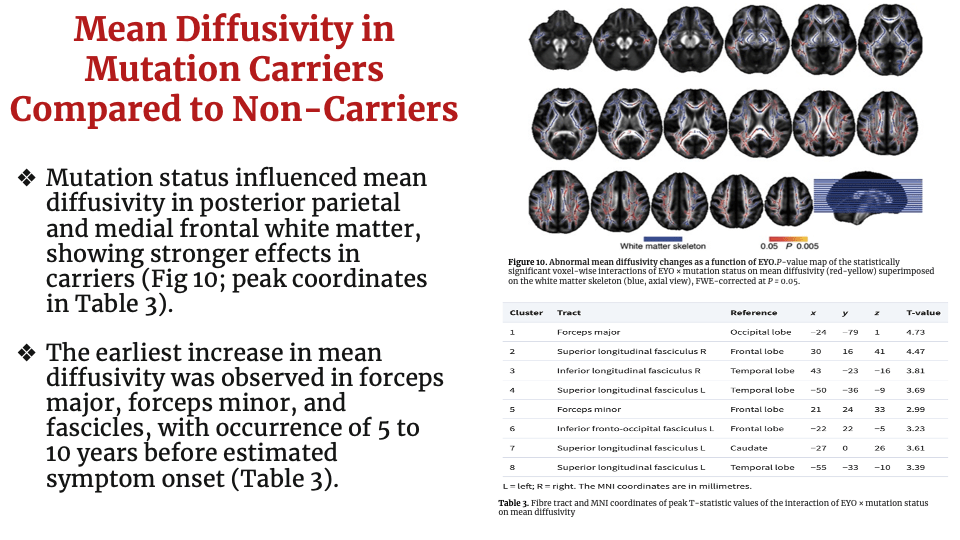
Timelapses and Traditions: What Did We Lose During the Pandemic?

by Vineeta Abraham, January 21, 2023

“10…9…8, 7, 6, 5, 4, 3…2…1!”

The last bell of senior year goes off, followed by a chorus of cheers and whoops from the class of 2019. It’s a mess of tears, laughter, and breathless cries of “we did it!” as the familiar tune of the Sweet Caroline anthem plays us out of four long, exhausting high school years. 

I look around one last time at the people I have grown up with for the past seven years. It’s not hitting me quite yet that life is about to change so drastically for every single one of us. It didn’t hit me when I saw last year’s graduating class go through this same ritual, nor did it the year before that, or even before that. I always imagined it would be now, in this moment, that the collective realization would strike us speechless. But it doesn’t feel like that. I suppose it won’t until I find myself looking back at these memories four summers from now, reminiscing over old friendships and the walls I used to call home. 

And this moment. I’ll never forget this singular, loud, excruciating moment. 


As we slowly resurface on the other side of the COVID-19 pandemic and the almost two-year “time freeze” it imposed on society, there seems to be a lot of buzzwords floating around like “return to normal” or “back to how things used to be.” We’re now beginning to see the implications of such a return and uncover some of the complications that we may not have foreseen. 

I don’t remember hearing of a graduating class before mine that didn’t participate in that jovial, last day ritual. Every year that I got to witness it, there were differences and modifications, but the end result was always the same: the graduating class gathered in their beloved lounge on the last day of classes, counting down the last ten seconds until the final bell rang. True to tradition, our own class followed suit, as we expected every class after us to do. We never saw an alternative. 

Herricks High School’s class of 2020 did not get the opportunity to carry out this beloved tradition — nor did the class of 2021. 

My sister, three years younger than I was, can still recall as a freshman watching my class count down to that last bell in 2019. When June of 2022 rolled around, I waited at home on her last day, expecting to hear about her own version of this bittersweet milestone. 

But her version never happened. As she tells it, her grade simply did not do it. 

Maybe half of the grade hadn’t even seen the tradition play out three years ago. Maybe those who did forgot about its existence. Whatever the reason, listening to my sister talk made me wonder somberly: was this tradition lost forever? 

After all, as most traditions work, we learn from those before us. But with nothing to observe, would the next graduating class even know about this tradition, let alone others? Would they realize all the things that they would never experience because they had never learned of them? 

It doesn’t stop at high school. As a twenty-one-year-old just dipping her toes in the sea of corporate life, I find myself wondering: what workplace traditions may I be missing out on? What workplace nuances got left behind when everyone packed up their offices in a frenzy in March of 2020? What is it like to physically visit your boss’ desk for two minutes? What exchanged glances across the office or inside jokes will I never get to “watch and learn?” How does happy hour even work with your colleagues? 

With an odd mishmash of employees who are cautiously beginning to return to in-person work and employees who have permanently set up camp in the comfort of their homes, how can I – or anyone else in this up-and-coming generation of the workforce – reasonably expect to learn all the ins, outs, and in-betweens of the office? 

Do we even want to? 

All this talk of drifting away from the old brings in a whole other topic of discussion: drifting towards the new. Will we, as the new generation of employees, seek to dig deeper into office roots to uncover the subtle traditions and conventions of years past? Or will we abandon these ideas altogether and brainstorm new and innovative traditions of our own? And if we choose the latter – leaving old rituals to gather dust in the bottom drawers of our supply closets – do we risk resentment from long standing employees who crave, as we hear in the midst of the buzz, a return to their idea of normal?