
by Vineeta Abraham, November 16, 2020
by Cassandra Skolnick, October 30, 2020
The passing of Supreme Court Justice Ruth Bader-Ginsburg left the United States in insurmountable mourning. While many of us took time to reflect on the life of a human rights icon, conservatives fixated on the opportunity to pack another conservative justice into an already ideologically polarized Supreme Court (hereto referred to as, “SCOTUS”).
Supreme Court Justices Clarence Thomas and Samuel Alito also wasted little time mourning the loss of a longtime colleague and friend. Within a month of her passing, both justices were expressing their disgust over legal precedent created in the landmark 2015 Supreme Court decision of Obergefell v. Hodges, legalizing same sex marriage. Thomas questioned the courts involvement in the case to begin with:
“It would be one thing if recognition of same-sex marriage had been debated and adopted through the democratic process, with the people deciding not to provide statutory protections for religious liberty under state law. But it is quite another when the Court forces that choice upon society through its creation of atextual constitutional rights and its ungenerous interpretation of the Free Exercise Clause, leaving those with religious objections in the lurch.”
(Nanos)
The Trump administration’s appointments of justices Neil Gorsuch and Brett Kavanaugh, and nomination of Amy Coney Barrett to the bench would certainly tip the balance in favor of conservatives who are hard pressed on overturning Obergefell.
However, I propose in this article that the legal precedent set by Obergefell is safe and here to stay. I will defend my opinion through an analysis of five supporting arguments; the textualist interpretation of law by Supreme Court Justice Neil Gorsuch, the court principle of stare decisis, growing empathy and support for same sex couples, the Full Faith and Credit Clause of the United States Constitution, and the potential for legislative intervention.
Supreme Court Justice Neil Gorsuch has not been the pariah conservatives had hoped for when President Trump appointed him to the SCOTUS. Gorsuch is a textualist; someone who interprets the law by how it is written.
In July of 2019, David Savage of the Los Angeles Times said of Gorsuch, “He is a libertarian who is quick to oppose unchecked government power, even in the hands of prosecutors or the police. And he is willing to go his own way and chart a course that does not always align with the traditional views of the right or the left” (qtd. in Ballotpedia).
We saw evidence of textualist interpretation in June of 2020, when Gorsuch joined Supreme Court Justice John Roberts and the liberal majority in Bostock vs. Clayton County; a ruling that states that Title VII of the Civil Rights Act protects gay and transgender employees from employment discrimination (Leonardi).
Gorsuch was right in his interpretation. In the majority opinion, Gorsuch determined that it would not be possible for an employer to discriminate on an employee on the basis of their sexual orientation or gender identity without also discriminating on them on the basis of sex. Discrimination on the basis of sex is prohibited by law, therefore civil rights protections are extended to gay and transgender employees.
It sounds like a clear-cut interpretation, but conservatives were furious with Gorsuch for his ruling. There was a public outcry, with evangelicals and right-wing media calling Gorsuch a traitor and sell-out (Arkes, Perano). However, Gorsuch made his ruling based on an interpretation of law that was already established. While it remains to be seen how he would respond to an opportunity to overturn Obergefell; textually speaking, I have a hard time believing Gorsuch will join a conservative majority in overturning existing precedent.
Relatively few people know about the court principle of stare decisis, but this Latin phrase translates to mean “…to stand by that which is decided” (Young). Generally, this means that once the court has established a legal precedent, it usually commits to uphold that legal precedent when ruling on similar cases.
While this has been a common court principle throughout history, I consider it imperative to point out that Supreme Court Justice Clarence Thomas has made it abundantly clear to his colleagues that he does not believe in being bound to the court principle of stare decisis. Thomas wrote, “When faced with a demonstrably erroneous precedent, my rule is simple: We should not follow it” (qtd. in Reuters).
With the exception of Thomas, the SCOTUS has remained steadfast in their position, reluctant to overturn precedent without significant rationalization. Overturning Obergefell would mean the potential revocation of the marriages of hundreds of thousands of same sex couples. It would be irretrievably damaging to the Court’s image if they disrupted the lives of hundreds of thousands of Americans without irrefutable proof that Obergefell is infringing on constitutional liberties.
Public opinion has historically had minimal impact on SCOTUS decisions, but the latest studies by researchers show that this has changed in recent years. One research collaboration, SCOTUSPoll, concluded “that the court’s position in every major case this term was exactly in line with public opinion” (Smith). What does that mean for the future of Obergefell?
Well, support for same sex marriage has grown extensively since the SCOTUS ruling in 2015. A recent survey conducted by the Public Religion Research Institute (PRRI) “…found about 70% of Americans said they support granting same-sex couples the right to marry — the highest percentage of supporters the survey has recorded. 28% of Americans said they opposed it” (Andrew). Republicans even showed increased support. The same survey conducted by PRRI found that “…50% of Republicans say they support same-sex marriage, their percentage of support still jumped since the 2017 survey when 42% supported it” (Andrew).
The once stable position of the Catholic Church has also seen a remarkable shift, when a documentary premiered and revealed Pope Francis declaring support for civil unions of same sex couples (Horowitz). While civil unions are not the same as marriages, it is the first time the Catholic Church has expressed any form of support for same sex couples.
Corporate America is another area seeing improvement in their support of same sex marriage. Companies like Nabisco have come under fire from the right-wing conservative coalition–One Million Moms–over commercials expressing messages of inclusion, acceptance, and support for same sex couples. They have organized boycotts in an effort to impede further progressive stances, but these boycotts are mainly symbolic.
However, the biggest confirmation of this shift in support for the LGBTQ+ community may be the growing number of openly gay and transgender politicians being elected to public office. Last month, Sarah McBride, a transgender woman from Delaware, won her primary bid by over 90% of the vote. She is now poised to become the first openly transgender politician ever elected to any state senate (Rodriguez). According to Victory Fund, “Since 1991, Victory Fund has helped elect thousands of LGBTQ people to positions at all levels of government” (Victory Fund).
The level of support in this country is at all-time highs. With public opinion clearly opposing an overturn of Obergefell, the chances remain slim that the SCOTUS will choose to review any cases that attempt to reverse the 2015 precedent.
The Full Faith and Credit Clause (FFCC) is the most disputed of my arguments. Used for the purpose of enforcing judgments across state lines, the FFCC also recognizes legal marriages contracted in another state. However, the argument has been made that the framework for the FFCC, “does not mandate recognition of same sex marriages or that it does so for limited purposes” (Singer). Prior to Obergefell, scholars also interpreted the FFCC to cover residents of states where same sex marriage was legalized, “but not nonresidents seeking to evade their restrictive home state marriage laws” (Singer).
However, with the Obergefell decision, the FFCC now provides fundamental support for same sex marriage. To stress this argument, I need to explain two important events from the nineties: the lawsuit, Baehr v. Miike, and the Defense of Marriage Act (DOMA).
In 1993, Baehr v. Miike, “was a lawsuit in which three same-sex couples argued that Hawaii’s prohibition of same-sex marriage violated the state constitution” (Wikipedia, “Baehr v. Miike”). The Supreme Court of Hawaii ordered the case reviewed by a trial court to determine whether or not the state was justified in prohibiting same sex couples from marrying. The state failed to present a convincing argument, and the judge ruled that excluding same sex couples from marriage was indeed discrimination (Lambda Legal).
The ruling in Baehr v. Miike panicked conservatives in Congress, who recognized that “a redefinition of marriage in Hawaii to include homosexual couples could make such couples eligible for a whole range of federal rights and benefits” (Wikipedia, “Defense of Marriage Act”). That’s because legalizing same sex marriage in Hawaii would mean forcing other states to recognize same sex marriages from Hawaii under the FFCC. In response, they passed legislation known as the Defense of Marriage Act (DOMA).
DOMA was a straightforward law passed by Congress during the Clinton administration. “It defined marriage for federal purposes as the union of one man and one woman, and allowed states to refuse to recognize same sex marriages granted under the laws of other states” (Wikipedia, “Defense of Marriage Act”). The intention behind DOMA was to create a barrier to the FFCC, preventing states from having to recognize same sex marriages that were performed in states where it was legal.
The SCOTUS cases of United States v. Windsor in 2013 and Obergefell v. Hodges in 2015 ruled the two sections of DOMA unconstitutional, thus legalizing same sex marriage and restoring the power of the FFCC to recognize same sex marriages across state lines.
The 2020 national election is probably the most important election of our lifetime. Learning from the 2016 fiasco, we know better than to rely on polling to indicate the winners in various races. However, I believe we are going to see a much-needed change in power.
A Democratic majority in the House of Representatives, Senate, and Presidency, would mean passing of a broad legislation known as the Equality Act. The Equality Act means exactly what it says, “…consistent and explicit anti-discrimination protections for LGBTQ people across key areas of life, including employment, housing, credit, education, public spaces and services, federally funded programs, and jury service” (HRC).
In a survey conducted by PRRI on support for legislation like the Equality Act, they found, “More than seven in ten (71%) Americans say they favor laws that would protect lesbian, gay, bisexual, and transgender (LGBT) people against discrimination in employment, housing, and public accommodations” (Vandermaas-Peeler et al.).
The main obstacle to passing this crucial legislation has been Senate Majority Leader Mitch McConnell (R-KY) and the Republican majority in the Senate. McConnell has repeatedly refused to hold a floor vote on the Equality Act, regardless of the fact that it has passed the House of Representatives. Pending any surprises in November, we should finally witness the advancement of this crucial piece of legislation.
While nobody can predict what the future holds, I contend that the arguments above provide significant obstacles to conservatives hoping to overturn the precedent established by Obergefell v. Hodges.
Andrew, Scottie. “70% Of Americans Support Same-Sex Marriage — a New High — a New Survey Finds.” CNN, Cable News Network, 22 Oct. 2020, 6:14 PM ET, http://www.cnn.com/2020/10/22/us/same-sex-marriage-support-increases-trnd/index.html.
Arkes, Hadley. “Here’s The Only Path Open To Republicans After Neil Gorsuch’s Betrayal.” The Federalist, The Federalist, 29 June 2020, http://thefederalist.com/2020/06/25/heres-the-only-path-open-to-republicans-after-neil-gorsuchs-betrayal/.
“Baehr v. Miike.” Wikipedia, Wikimedia Foundation, 17 Oct. 2020, http://en.wikipedia.org/wiki/Baehr_v._Miike.
“Baehr v. Miike.” Lambda Legal, 9 Dec. 1999, http://www.lambdalegal.org/in-court/cases/baehr-v-miike.
“Defense of Marriage Act.” Wikipedia, Wikimedia Foundation, 21 Sept. 2020, http://en.wikipedia.org/wiki/Defense_of_Marriage_Act.
Horowitz, Jason. “Pope Francis, in Shift for Church, Voices Support for Same-Sex Civil Unions.” The New York Times, The New York Times, 21 Oct. 2020, http://www.nytimes.com/2020/10/21/world/europe/pope-francis-same-sex-civil-unions.html.
Leonardi, Anthony, and Nicholas Rowan. “Supreme Court Rules Workers Cannot Be Fired for Being Transgender or Gay.” Washington Examiner, 15 June 2020, http://www.washingtonexaminer.com/news/supreme-court-rules-workers-cannot-be-fired-for-being-transgender-or-gay.
Nanos, Elura. “Clarence Thomas Refuses to Hear Kim Davis’s Case, But Calls Obergefell Decision a ‘Problem’ Only SCOTUS ‘Can Fix’.” Clarence Thomas Criticizes Obergefell When Rejecting Kim Davis Case | Law & Crime, Law & Crime, 5 Oct. 2020, http://lawandcrime.com/supreme-court/clarence-thomas-refuses-to-hear-kim-daviss-case-but-calls-obergefell-decision-a-problem-only-scotus-can-fix/.
“Neil Gorsuch.” Ballotpedia, https://ballotpedia.org/Neil_Gorsuch.
“Our Mission.” LGBTQ Victory Fund, http://victoryfund.org/about/mission/.
Perano, Ursula. “Prominent Conservatives Tear into Gorsuch for Supreme Court Ruling on LGBT Protections.” Axios, Axios, 15 June 2020, http://www.axios.com/supreme-court-gorsuch-lgbt-64850955-d204-4e92-89f1-ab4c3b8e2ccd.html.
Rodriguez, Barbara. “In Historic Year for Trans Candidates, Sarah McBride Poised to Become the Nation’s First Openly Transgender State Senator.” USA Today, Gannett Satellite Information Network, 25 Sept. 2020, 9:12 AM ET, http://www.usatoday.com/story/news/politics/2020/09/25/sarah-mcbride-poised-nation-first-openly-transgender-state-senator/5827014002/.
Singer, Joseph William. “Same Sex Marriage, Full Faith and Credit, and the Evasion of Obligation.” SSRN, 11 Apr. 2005, http://papers.ssrn.com/sol3/papers.cfm?abstract_id=697862.
Smith, James F. “U.S. Supreme Court v. American Public Opinion: the Verdict Is In.” Harvard Kennedy School, Harvard Kennedy School, 13 July 2020, http://www.hks.harvard.edu/faculty-research/policy-topics/democracy-governance/us-supreme-court-v-american-public-opinion.
Stempel, Jonathan. “Justice Thomas Urges U.S. Supreme Court to Feel Free to Reverse Precedents.” Reuters, Thomson Reuters, 17 June 2019, http://www.reuters.com/article/us-usa-court-thomas/justice-thomas-urges-u-s-supreme-court-to-feel-free-to-reverse-precedents-idUSKCN1TI2KJ.
“The Equality Act.” HRC, Human Rights Campaign, http://www.hrc.org/resources/the-equality-act.
Vandermaas-Peeler, Alex, et al. “Wedding Cakes, Same-Sex Marriage, and the Future of LGBT Rights in America.” PRRI, PRRI, 2 Aug. 2018, http://www.prri.org/research/wedding-cakes-same-sex-lgbt-marriage/.
Young, Julie. “Stare Decisis and Legal Court Precedents.” Investopedia, Investopedia, 13 Sept. 2020, http://www.investopedia.com/terms/s/stare_decisis.asp.
by Pavithra Venkataraman, October 24, 2020

by Sanjana Sankaran, October 18, 2020
In early September, news broke out about a whistleblower, Dawn Wooten, who alleged ‘medical neglect’ of ICE detainees and shined a light on the occurrence of unwanted mass hysterectomies. Wooten was a nurse who worked at one of the detention centers in Georgia. She claimed that the care received was improper and unsafe which likely caused the spread of the novel coronavirus. According to the news reports and her statements, approximately seventeen to twenty women have confirmed that they were forcibly sterilized—that is, either their uterus or fallopian tubes were removed. Wooten called this doctor, who was later identified as Dr. Mahendra Amin, a “uterus collector” (Miroff). Dr. Amin is a member of the Irwin County Hospital and has a private clinic close to the detention center. Since the allegations have come out, Rep. Pramila Jayapal (D-Wash.) wrote a letter that was signed by one hundred and seventy-three other representatives to launch an investigation into the medical practitioners employed by ICE, with a focus on Dr. Amin specifically (Miroff).
While the investigation is still ongoing, we know one thing for certain: we’ve been here before. The U.S. has a historical precedence of conducting mass unwarranted and unwanted hysterectomies, causing many to worry that these allegations are true.
The development of the gynecological sciences itself is rooted in a history of mistreatment, neglect, and abuse toward Black, Latinx, and indigenous women. In the 19th century, Dr. J. Marion Sims, who is now considered the father of modern gynecology, forcefully performed a number of experiments on enslaved Black women without the use of anesthesia. Despite his strategically inhumane testing, Dr. Sims has been lauded for his discoveries and has statues erected in his honor across the country (Lennard).
We don’t have to look that far in the past to see neglect and abuse in our healthcare system. In the last century alone, thousands of women were forcibly sterilized across the nation. At the turn of the 20th century, the eugenics movement started gaining more traction. Perverting Charles Darwin’s “On the Origin of Species,” many eugenicists believed it was natural and justified to facilitate the death of those with “unfavorable” genes. This became shorthand for BIPOC lives, specifically the poor and the disabled. This widespread scientific belief had shocking sociological implications. In the late 20th century, thirty-two states in the U.S. had federally funded eugenics programs involving sterilizing women who possessed “undesirable” genes (Lennard). In the 1960s and 1970s, the Indian Health Service, which is the federal healthcare service provider for indigenous peoples, conducted hysterectomies at such a wide scale that the impact is still being felt now even generations later. Around one in four women, and in some communities, as many as one in two women, were forcibly sterilized (Blakemore).
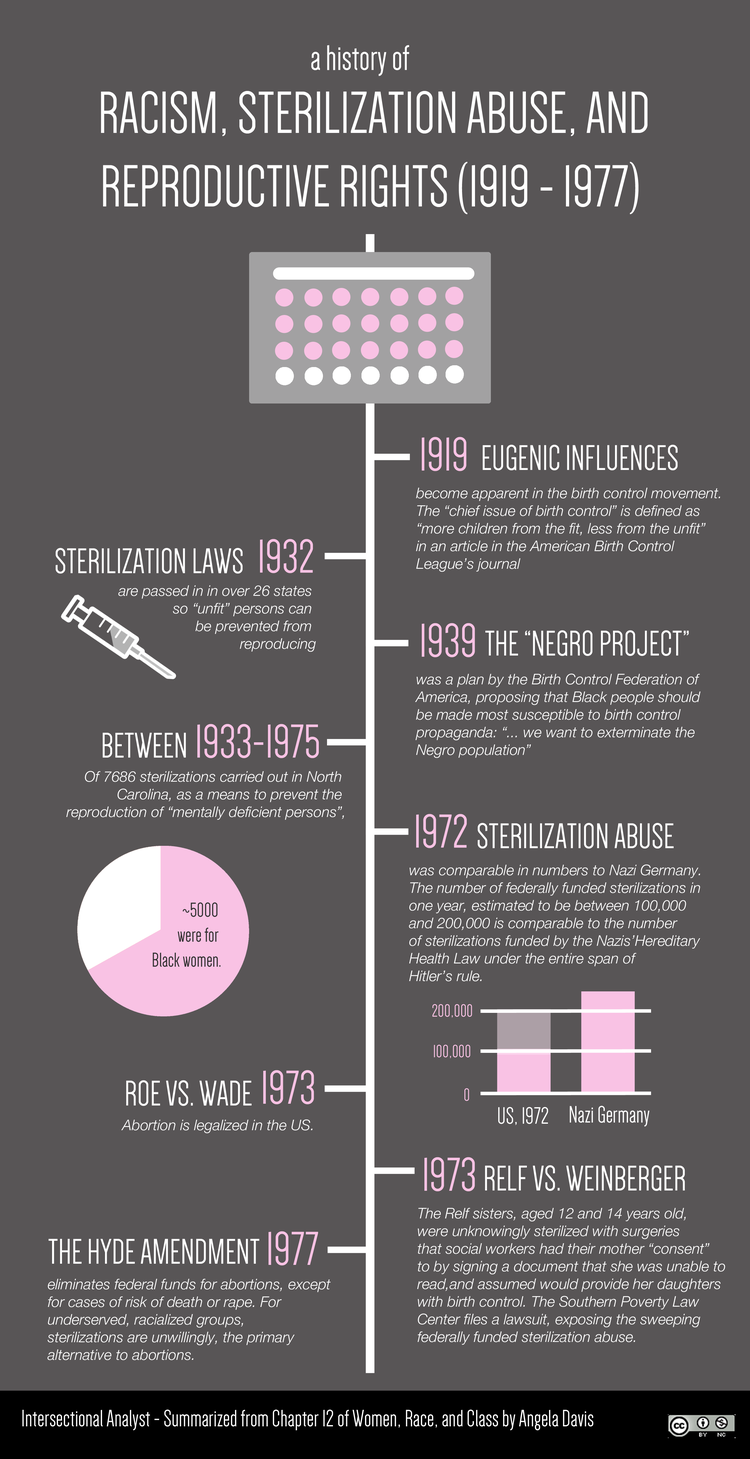
Figure 1 below provides a timeline of reproductive rights (Chuen).
To better understand the role ICE plays in perpetuating medical neglect and abuse, we must acknowledge the history of malicious activities within this organization. The immigrant detention centers have been linked with racism and medical malpractice. In 1914, the United States Public Health Service partnered with the eugenics movement and worked together to prevent further immigration. They specifically targeted BIPOC’s, poor people, and the disabled implying they were the ones most likely to be criminals. This false view that BIPOC, especially those who are low income and living with disabilities, are more likely to commit crime than well-off able-bodied white people, still shapes our society today, most notably reforming our criminal justice policy (Ordaz). Prior to President Trump’s election to office in 2016, ICE had an imperative to detain immigrants with criminal records. Given the negative stereotyping and implicit bias that police officers have against BIPOC, this was already an unfair policy. The current administration has since expanded this policy to apply to all immigrants who enter the country without documentation, removing the requirement of criminality. Many federal investigations conducted over the past four years that have raised serious concerns about the state of ICE detention centers. Specifically, the centers provide inhumane, unsanitary, and unhygienic conditions for detainees. When Dawn Wooten, the whistleblower, spoke out on the conditions of the ICE camps she stated, “I began to ask questions about why the detainees not be tested — symptomatic or non-symptomatic” (Alvarez). Operationally, the centers already violate standard protocol and indicate clear negligence and devolution of human life (United States, Dept of Homeland Security, Office of Inspector General).
During the Trump era beliefs of white supremacy, xenophobia and misogyny have only increased. His beliefs that all Mexicans are “bringing drugs, they’re bringing crime, they’re rapists” emboldened the racist’s in the U.S. further dividing an already divided world. It is astounding that the administration that is so clearly pro-life, allows sterilization to take place, it is an oxymoron. This lack of action is because this administration is not pro-life. If the administration were actually pro-life, they would have had a national mask mandate, done shelter in place in February, stop denying the virus’s fatality rate, and keep the Affordable Care Act, especially for those with pre-existing conditions.
The allegations of mass hysterectomies in ICE right now must be met with the utmost seriousness. The doctors who have participated in these events or were bystanders should be met with some kind of consequence. The mass hysterectomies are a direct attack against women and are the result of a long upheld belief that not only do BIPOC women not have value but that women should not be in control of their own bodies. Whether it was one or twenty or a thousand, forced hysterectomies are acts of absolute moral malfeasance.
Below are other resources to learn more about the history of forced sterilization.
https://www.theatlantic.com/magazine/archive/2018/09/trump-ice/565772/
https://www.cnn.com/2020/09/16/us/ice-hysterectomy-forced-sterilization-history/index.html
Alvarez, Priscilla. “Whistleblower Alleges High Rate of Hysterectomies and Medical Neglect at ICE Facility.” CNN, Cable News Network, 16 Sept. 2020, http://www.cnn.com/2020/09/15/politics/immigration-customs-enforcement-medical-care-detainees/index.html.
Blakemore, Erin. “The Little-Known History of the Forced Sterilization of Native American Women.” Daily JSTOR, JSTOR, 25 Aug. 2016, daily.jstor.org/the-little-known-history-of-the-forced-sterilization-of-native-american-women/.
Chuen, Lorraine. “A Visualized History of Racism and Reproductive Rights in America.” Intersectional Analyst, Intersectional Analyst, 5 Feb. 2016, http://www.intersectionalanalyst.com/intersectional-analyst/2016/2/4/racismreproductiverights.
Lennard, Natasha. “The Long, Disgraceful History of American Attacks on Brown and Black Women’s Reproductive Systems.” The Intercept, 17 Sept. 2020, theintercept.com/2020/09/17/forced-sterilization-ice-us-history/.
Miroff, Nick. “Hospital Where Activists Say ICE Detainees Were Subjected to Hysterectomies Says Just Two Were Performed There.” The Washington Post, WP Company, 22 Sept. 2020, http://www.washingtonpost.com/immigration/ice-detainee-hysterectomies-hospital/2020/09/22/aaf2ca7e-fcfd-11ea-830c-a160b331ca62_story.html.
Minna, Alexandra. “Forced Sterilization Policies in the US Targeted Minorities and Those with Disabilities – and Lasted into the 21st Century.” The Conversation, 5 Oct. 2020, theconversation.com/forced-sterilization-policies-in-the-us-targeted-minorities-and-those-with-disabilities-and-lasted-into-the-21st-century-143144.
Ordaz, Jessica. “Perspective | Migrant Detention Centers Have a Long History of Medical Neglect and Abuse.” The Washington Post, WP Company, 18 Sept. 2020, http://www.washingtonpost.com/outlook/2020/09/18/migrant-detention-centers-have-long-history-medical-neglect-abuse/.
United States, Department of Homeland Security, Office of Inspector General. “Concerns about ICE Detainee Treatment and Care at Four Detention Facilities.” Washington: DHS, 2019. Web. 9 Oct. 2020.
by Sophia Garbarino, October 14, 2020
Asthma is a quite common diagnosis in children, and cases have risen significantly in the past few decades. From 1980 to 1996, “the number of individuals with asthma in the United States grew to 73.9%,” roughly equivalent to 14.6 million (Brown et al. 125). Scientific evidence has found correlation between asthma and air pollution, while sociological evidence has linked the condition to socioeconomic status (SES) and racial minorities (Brown et al.). Furthermore, SES influences not only who is diagnosed with asthma, but also who has a better health outcome.
According to “The Health Politics of Asthma: Environmental Justice and Collective Illness Experience in the United States,” a 2003 article co-authored by several sociologists and published in Social Science & Medicine, “asthma has become, for many poor and minority neighborhoods, one of the most visible and pressing problems” (Brown et al. 128). These neighborhoods are most commonly urban, with the past three U.S. Censuses revealing that “well over half of America’s largest cities are now majority non-white” (Frey). The increase in asthma has been attributed to the rise in air pollution, which is typically worst in cities. Public transportation, such as diesel buses, has been criticized for discriminatory budgeting in states including Massachusetts, where the Alternatives for Communities and Environment group (ACE) “successfully framed an issue of transit spending priorities into one of health, justice, and racism” in 2000 (Brown et al. 131). At the time, over half of Boston’s population was non-white, and the folks who relied on the buses to get to work and school were forced to use “dirty” buses that “trigger asthma attacks” on a daily basis (Jimenez; Brown et al. 132-133).
In addition to living in the most polluted and asthma-vulnerable areas, minority populations typically have lower SES than their White counterparts. According to the 2000 U.S. Census, the average household income on non-Hispanic Whites was $45,904, while the averages for Hispanics and Blacks were roughly 30% lower at “$33,447 and $30,439, respectively” (Denavas-Walt et al.). Not only do minorities have higher asthma rates, but they are also less likely to be able to afford quality health care. With limited access to quality education and everyday treatments such as albuterol inhalers, “frequent trips to the emergency room are the norm for impoverished families seeking asthma treatment, resulting in both poor management and the loss of control” (Brown et al. 135). Thus, the cycle of poor health continues.
As medical sociologist Irving Kenneth Zola wrote in his 1972 article “Medicine as an Institution of Social Control,” “man’s power over Nature is really the power of some men over other men, with Nature as their instrument” (Zola 599). Asthma is just one example of how SES and race interact, and we have yet to consider other factors such as gender, ability, and ethnicity. Our social structures perpetuate each other and are certainly reflected in our health care system.
Brown, Phil, et al. “The Health Politics of Asthma: Environmental Justice and Collective Illness Experience in the United States.” The Sociology of Health & Illness, edited by Peter Conrad and Valerie Leiter, SAGE Publications, 2019, pp. 125-138.
Denavas-Walt, Carmen, et al. “Money Income in the United States: 2000.” U.S. Census Bureau, 1 Sept. 2001, https://www.census.gov/library/publications/2001/demo/p60-213.html.
Frey, William. “Melting Pot Cities and Suburbs: Racial and Ethnic Change in Metro America in the 2000s.” Brookings Institution, May 2011, https://www.brookings.edu/wp-content/uploads/2016/06/0504_census_ethnicity_frey.pdf.
Jimenez, Carmen Rixely. “New Bostonians Demographic Report.” The Mayor’s Office of New Bostonians, https://www.cityofboston.gov/newbostonians/pdfs/dem_report.pdf.
Zola, Irving Kenenth. “Medicine as an Institution of Social Control.” The Sociology of Health & Illness, edited by Peter Conrad and Valerie Leiter, SAGE Publications, 2019, pp. 591-603.
by Patricia Kozikowski, September 28, 2020
Throughout the coronavirus (COVID-19) pandemic, we have heard the phrase “the coronavirus doesn’t discriminate” multiple times. But if the virus doesn’t discriminate, why are certain groups of people suffering more than others?
A perfect example of this social issue is the differences in fatality rates in New York City and its surrounding areas. On May 8, 2020, Dr. Sandro Galea reported that the fatality rate from COVID-19 in Brooklyn is 7.8%, in the Bronx is 6.5%, in Queens is 6.8%, in Nassau County is 3.8%, in Suffolk County is 2.6%. Brooklyn has had a COVID-19 fatality rate that is two times higher than in Nassau County. Both of these communities are only 50 minutes away from each other. So why are twice as many people dying from the pandemic in Brooklyn than in a neighboring community that is less than an hour away?
A number of risk factors have been identified as contributing to these differences. Most of these risk factors correlate with income and race (Brown & Ravallion, 2020). While anyone can be infected by COVID-19, people with low-income are suffering more cases and deaths than people with high-incomes. Researchers W. Holmes Finch and Maria E Hernández Finch (2020) at Ball State University examined incidence and death rates during the first ten weeks of the pandemic. They discovered that counties with higher overall poverty had higher numbers of confirmed COVID-19 cases than in other counties. Additionally, they discovered that a larger number of deaths were associated with higher incidence of low birth weights and urban areas.
People with low-incomes are not only at a higher risk for infection and other physical health conditions, but they are also at a higher risk for developing mental health issues (Khullar & Chokshi, 2018). Prior to the pandemic, the National Survey of Drug Use and Health (NSDUH) reported that 9.8 million adults in the United States had a serious mental illness and 25% of those individuals were below the poverty line. Some of the factors that contribute to this relationship are community violence, food insecurity, unstable housing, low-income, and low access to healthcare (Jordan, 2015). Living in this uncertainty can cause a lot of stress and anxiety, eventually leading to larger mental health issues.
Since the start of the coronavirus pandemic, mental health symptoms have risen dramatically in the general population. In a KFF Tracking Poll, 53% of adults in the United States reported that the coronavirus has negatively impacted their mental health (Panchal et al., 2020). This was significantly higher than the mental health rates reported in the beginning of March. The pandemic has resulted in a lot of stress and anxiety about infection, social isolation, months of quarantine, the loss of jobs and businesses, and economic uncertainty. Additionally, Torales et al. (2020) reported that lower socioeconomic status (SES), interpersonal conflict, lower resilience, and lower social support are some risk factors that can increase mental health issues during the pandemic. The mental well-being of the general population has decreased, but what does this mean for individuals who were living with low-income before the start of the pandemic?
Residents of low-income communities suffered the mental health effects of poverty long before the coronavirus pandemic. The virus has only added stress to the daily lives of people in these communities. In general, people living with low-incomes report higher levels of negative mental health related to the coronavirus than those with high-incomes. In a KFF Tracking Poll conducted in July, 35% of individuals making less than $40,000 a year, 22% of individuals making between $40,000 to $89,999, and 20% of individuals making over $90,000 reported that they experienced negative mental health related to worry and stress from the coronavirus (Panchal et al., 2020). Additionally, Pew Research Center American Trends Panel conducted a survey measuring the proportion of respondents experiencing psychological distress (Keeter, 2020). They observed that psychological distress was substantially larger in participants in the lower income tertile (33%) than the upper income tertile (17%). Both of these findings suggest that people living with low-incomes are disproportionately affected by the pandemic than their advantaged counterparts.
The coronavirus calls attention to many social issues that are going on in the United States. These physical and mental health issues are not novel but are rooted in decades of systematic inequality. Residents of these low-income communities have always suffered the most. The pandemic has only exacerbated the issues that they deal with on a daily basis. The next time you hear someone say that the coronavirus doesn’t discriminate, please remember that some of us are at a higher risk for experiencing the negative effects of the virus.
Brown, C., & Ravallion, M. (2020). Poverty, inequality, and COVID-19 in the US. https://voxeu.org/article/poverty-inequality-and-covid-19-us.
Finch, W. H., & Finch, M. E. H. (2020). Poverty and Covid-19: Rates of Incidence and Deaths in the United States During the First 10 Weeks of the Pandemic. Frontiers in Sociology, 5. https://doi.org/10.3389/fsoc.2020.00047
Galea, S. (2020, May 8). COVID-19 Is Bad for All but Devastating for the Poor. https://www.psychologytoday.com/us/blog/talking-about-health/202005/covid-19-is-bad-all-devastating-the-poor.
Jordan, R. (2015, May 13). Poverty’s toll on mental health. Urban Institute. https://www.urban.org/urban-wire/povertys-toll-mental-health
Keeter, S. (2020, July 27). People financially affected by coronavirus outbreak are experiencing more psychological distress than others. Pew Research Center. https://www.pewresearch.org/fact-tank/2020/03/30/people-financially-affected-by-covid-19-outbreak-are-experiencing-more-psychological-distress-than-others/
Khullar, D., & Chokshi, D. A. (2018, October 4). Health, Income, & Poverty: Where We Are & What Could Help. Health, Income, & Poverty: Where We Are & What Could Help | Health Affairs. https://www.healthaffairs.org/do/10.1377/hpb20180817.901935/full/
National Survey on Drug Use and Health (NSDUH). https://nsduhweb.rti.org/respweb/homepage.cfm
Panchal, N., Kamal, R., Chidabaram, P., Cailey, Hamel, L., Garfield, R., … Orgera, K. (2020, August 21). The Implications of COVID-19 for Mental Health and Substance Use. https://www.kff.org/coronavirus-covid-19/issue-brief/the-implications-of-covid-19-for-mental-health-and-substance-use/
Torales, J., O’Higgins, M., Castaldelli-Maia, J. M., & Ventriglio, A. (2020). The outbreak of COVID-19 coronavirus and its impact on global mental health. International Journal of Social Psychiatry, 66(4), 317–320. https://doi.org/10.1177/0020764020915212
by Marcela Muricy, September 21, 2020
This is a kind of mix-and-match approach to spirituality where people who are alienated by organized religions are in many ways cobbling together their own.
– Tara Isabella Burton, The Argument
Morality is relative. The lens through which people view the world is fabricated depending on how they’ve been socialized by those around them and what they’ve been exposed to throughout their lives. Every individual has this distinct perspective of life and, in the same sense, morality and what is considered ethical. In this context, it is difficult to imagine how one may fully benefit from being enthralled in a sole religious institution, because it restricts them to a single viewpoint, a single message being broadcasted to hundreds. Everyone’s moral compass is distinct from the next, so it is naive to assume one institution’s teachings are tailored individually to them, and that following it will automatically exonerate their past mistakes. There are flaws in the system of institutionalizing religion as well as the institutions themselves, which are often more dependent on their power and status quo than communicating the best moral standings to the public. This is especially true considering the common hypocrisy in the leaders who advocate for them, as well as the expired messages and traditions most religious institutions utilize to gain social and political power. If religion is meant to serve as a catalyst on the path to being a better person, it would be more beneficial if people considered keeping religion personal rather than placing their beliefs in the hands of an institution which profits off of their membership. Religion itself can be a beautiful, crucial aspect of one’s hope, motivation, and desire to have positive impacts on people and the world. Yet, it is known how dangerous this double-edged sword can be in malicious hands, and whose are ultimately more trustworthy than one’s own?
A 2019 Gallup poll estimated that 37% of Catholics have questioned if they should leave the Church due to the cases of sexual abuse, monetary greed, and homophobia within it (Jones). No matter their frequency of attendance, members are experiencing a grappling of morality, unable to ignore certain issues taking place within organized religion. This realization of institutional imperfection, for many, presents a set of choices in front of them — a complex, life-changing round of “would you rather”: either leave the institution and all it stands for, or continue being a member simply for the love of the practice.
This polarized perspective of religion — this “take it or leave it” — is harmful, and impacts both the incredibly devout and atheists alike. On one hand, the devout may feel like they have less of an option, required to tolerate aspects they don’t agree with. On the other, atheists may credit the religion for all the wrongdoings of the institution and decide to distance themselves from both entirely. This upholds the idea that religion and institution are synonymous, that they cannot be mutually exclusive.
The more accurate lens could be understanding the use of spirituality in society and how it exists separately from organized religion. It can be beautifully beneficial and even essential to human existence, providing people with a source of hope, motivation, and purpose as a foundation to their lives. With this in mind, it seems nonsensical to discard the ideas within religions simply because of the twisted way they have been reflected by institutions. What should be discarded is this limiting binary, replaced with a third option not many realize exist: the ability to mold your own.
What likely tipped the boat of dissatisfaction with organized religions, spoken of in CNN articles and scholarly books alike, is the multitude of scandals within them. Jason Berry, an American reporter and writer, has been investigating issues in the Catholic Church for years, even having won the Guggenheim Fellowship for Humanities for his work. In his 1992 book, Lead Us Not Into Temptation: Catholic Priests and the Sexual Abuse of Children, he details how “in the decade of 1982 to 1992, approximately four hundred priests were reported to church or civil authorities for molesting youths. The vast majority of these men had multiple victims” (Berry 1). These instances are not exactly uncommon, making the doubt and uneasiness of many “struggling catholics” (as Berry identifies himself) very rational and justifiable. The evidence of hypocrisy is so voluminous that Pope Francis himself has spoken of these twisted ulterior motives, stating, “On the outside, [cardinals] present themselves as righteous, as good: they like to be seen when they pray and when they fast…[But] it is all appearance and in their hearts there is nothing” (Martel 68). This quote, mentioned in Frederic Martel’s 2019 book In the Closet of the Vatican, specifically concerned the cardinals of the Curia. However, Martel goes on to discuss how it is one of many accusations Francis has made since he became the Pope, to several separate institutions. These scandals have been perpetually occurring within the Catholic Church for decades and are as visible as ever. Jason Berry began his investigations not for his own curiosity or interest, but with the desire to uncover the environment his children would grow up in if they remained members, concerned for their safety and morality considering the recent crimes. The Gallup poll indicates Berry’s questioning is not unique, with over one third of Catholics debating the same. These issues are most likely contributing to the shift in the demographic of religious affiliation in the US, causing many people to shun the institution and the religion altogether. This is not the ideal solution, because what should be perceived as the enemy is not the religion, but rather those who wield it with ill intent.
Despite this, the number of atheists in the United States has been rising. There was an increase of 19.2 million people from 2007 to 2015 within the category of those “religiously unaffiliated”, according to a Pew Research Poll (Pew Research). Among the entire group polled, 65% claimed religion was “not too/not at all important” to their lives. This distancing from religion, however, can be an ineffective solution, because what may linger is a feeling of absence in their lives and an even stronger feeling of hopelessness. In a 2019 Vox article, writer and atheist Jay Wexler describes himself as a “sad atheist” due to the frequent existential thoughts he has, including “the world is meaningless and I am just standing on a giant rock swirling pointlessly through the universe” (Wexler par. 7). Atheism lacks the foundation that keeps many people motivated: that which explains the spiritual meaning of human existence and fills in the emotional gaps that science does not. Religion is essentially the assurance that everything will work itself out, that a “higher being” is present and caring, easing the existentialism Wexler experiences. As Zat Rana, a writer for Medium, expresses in a 2017 article, “People often think of belief as irrational. From a survival perspective, I can’t think of anything more rational than finding something to live for” (Rana par. 29). This is something psychologists would argue is one of the key factors to spirituality, what keeps humans healthy and sane. Rana himself explains in his article how he saw the corruption in organized religion (Catholicism specifically) and became an atheist very early in his life. As he matured, however, he felt the absence of a certain foundation, with no idea of life’s purpose and what comes after it. Rather than isolate himself from religion completely, Rana sought to, instead, benefit from learning and practicing several new religions so that he could make sense of the world without having to rely on an institution.
So what if it were perceived differently? As less of a binary, but more of the spectrum Rana eventually tapped into? As more personal instead of a public occasion? What if it were viewed as ever-molding and -developing so that people could customize their beliefs? This is a practice sociologist Tara Isabella Burton, in an episode of the podcast The Argument, claims is on the rise in the US today:
While it is true that traditional organized religion is in decline, an important statistic to remember is that 72% of the so-called “religiously unaffiliated” say they believe in some sort of higher power. This is a kind of mix-and-match approach to spirituality where people who are alienated by organized religions are in many ways cobbling together their own.
(“Should Facebook Be Fact-Checked”)
Burton’s book Strange Rites, released in June 2020, covers this transition from organized religion to what she calls “DIY religious culture”. She brings to light how many people have already begun to understand that spirituality can vary and should vary for each individual. This supports the broader notion that religion is a personal aspect of someone’s life, suddenly opening up the conversation and the mind to new possibilities. With this fresh perspective, people can distance themselves from an institution yet continue to appreciate the emotional foundation the religion provides. Although this is increasing in the general public today, it cannot be considered a truly innovative idea; even nineteenth century philosopher Ralph Waldo Emerson lived his life with a similar narrative. Despite being deeply religious all throughout his life, Emerson gave a speech at Harvard Divinity School in 1838 in which he advised graduates to “go alone…and dare to love God without a mediator or veil” (Emerson). He was an advocate for self-reliant religion, able to detect the flaws with organized religion even during a time when it was the default. He saw, as many see now, the many possibilities that arise once someone considers this idea of customizing their religion — tailoring it to their own needs and preferences in a meaningful and enduring way.
This way of living can seem abnormal and foreign to members of organized religions, but it actually holds a strong resemblance to how people already practice their religions today. Most members have at least one opinion that misaligns with the belief of their institution, such as abortion, contraception, or LGBTQ rights. According to a Pew Research Poll, for instance, only 8% of Catholics believe contraception is immoral, with 48% believing it is not a moral issue at all (“Very Few Americans”). The Catholic Church itself, on the other hand, is strictly opposed to anything preventing pregnancy aside from abstinence. This highlights how people may remain in an institution yet disagree with some of its teachings, taking from some pieces of the religion while excluding others. In a similar sense, religion has very much drifted from the conservative way it was viewed hundreds of years ago. Many people neglect parts of the Bible which claim wearing two different textures of clothing to be a sin, along with tattooing, divorce, and eating bottom feeders (e.g., crabs, snails, codfish). These are explicitly forbidden in the Bible, but have become viewed as outdated or impractical over time. That does not invalidate it as a whole, but the shift to modern culture has caused the exclusion of certain beliefs from the minds of everyday members. The process of customization, then, already exists to a certain degree, because many people have individual beliefs that may contradict the institution or the holy scripture.
People may shy away from the idea of this “DIY religion,” not just because they would be customizing their beliefs, but because they would be losing what makes organized religion appealing to begin with: the sense of community. It fosters unity and familiarity, as well as emanating a feeling of moral accomplishment. People create habits around attending the holy building, may it be with their family, friends, or even just familiar faces. Going to the Church, Mosque, Temple, etc. means having a community and contributing to its improvement, being a part of the good. Just as there is no limit to how someone can believe, there is also a wide range of alternatives to this feeling of unity outside of an institution. The Unitarian Universalist Association (UUA), for example, is composed of people from several different religious backgrounds who come together to practice their own individual beliefs. They draw from science, scriptures, philosophy, and a variety of other sources for their teachings. Their goal is to “create spirituality and community beyond boundaries, working for more justice and more love in our own lives and in the world” (Unitarian Universalist Association). A transition away from organized religion can seem daunting with nothing to fall back on, but this is an example of another group people can become a part of, one with much more curiosity and exploration. Another alternative to involvement in the community would be to join a local community service group, taking part in food drives, aiding homeless shelters, and volunteering for charities. This offers the opportunity to impact the world positively without having to sacrifice any personal or political beliefs in order to participate. Being conscious of these other options — that comfort someone morally, socially, and emotionally — can make the prospect of stepping back from organized religion less intimidating and accessible even to those who love having a familiar community.
“DIY religious culture,” as Burton describes it, is where the religiously unaffiliated “nones” seem to be headed, to a freer form of belief. The institutions that people have traditionally attended have been exposed as having fundamental flaws, causing a shift in how people identify religiously. William Chittick, Professor of Islamic Studies at Stony Brook University, claimed in a personal interview that he considers institutions “counterproductive because they’ve become less personal and more focused on power” (Chittick). The results of it, he claims, are these sexual abuse scandals and the reluctance to adapt scriptures to modern-day standards. Yet, even though this has become more blatant than ever, members of them have been hesitant to leave; they might assume the alternative to be a lack of belief, community, or morality. Understanding the other ways in which they can check off these boxes — through groups like UUA, community service, or even a local religious group among friends — can help expand their prospective options to more than just one institution and one set of beliefs. The customization of religion is ever present in the way people practice today; this “DIY religion” would simply be taking it one step forward, to a more flexible religious environment. By definition, religion and spirituality are philosophical entities — by no means rigid or caging, experienced and viewed differently by every individual. When people become more aware of the options they possess — whether they choose to believe in one religion or several — the spectrum of spirituality is theirs to delve into and explore.
Berry, Jason. Lead Us Not into Temptation: Catholic Priests and the Sexual Abuse of Children. LevelFiveMedia, 1992.
Chittick, William C. Personal Interview. 21 October 2019.
Emerson, Ralph Waldo. “Divinity School Address.” Harvard Square Library. Andover-Harvard Theological Library, 15 July 1838, Cambridge, Divinity School.
Jones, Jeffrey M. “Many U.S. Catholics Question Their Membership Amid Scandal.” Gallup, 4 Sept. 2019, news.gallup.com/poll/247571/catholics-question-membership-amid-scandal.aspx.
Lipka, Michael. “Religious ‘Nones’ Becoming More Secular.” Pew Research Center, 11 Nov. 2015, http://www.pewresearch.org/fact-tank/2015/11/11/religious-nones-are-not-only-growing-theyre-becoming-more-secular/.
Martel, Frédéric. In the Closet of the Vatican: Power, Homosexuality, Hypocrisy. Bloomsbury Continuum, 2019.
Rana, Zat. “Why Everybody Needs a Personal Religion.” Medium, 22 Feb. 2018, medium.com/personal-growth/why-everybody-needs-a-personal-religion-304255c9962b.
“Should Facebook Be Fact-Checked?” The Argument from the New York Times, 31 Oct. 2019, https://www.nytimes.com/2019/10/31/opinion/the-argument-facebook-mark-zuckerberg.html
Unitarian Universalist Association, “Our UU Faith.” UUA, 7 Jan. 2019, www.uua.org/beliefs.
“Very Few Americans See Contraception as Morally Wrong.” Pew Research Center’s Religion & Public Life Project, 28 Sept. 2016, www.pewforum.org/2016/09/28/4-very-few-americans-see-contraception-as-morally-wrong/.
Wexler, Jay. “6 Things I Wish People Understood about Atheism in America.” Vox, Vox Media, 14 June 2019, http://www.vox.com/the-highlight/2019/6/7/18652423/atheism-america-facts.
by Joseph Eng, September 10, 2020
Joseph is a second-year student majoring in Psychology. His goal is to eventually complete his Bachelor’s degree and enter higher education for clinical psychology. Joseph currently works as a Resident Assistant on campus. His interests also lie within LGBTQ+ topics alongside the impact of mental health. In his free time, he enjoys photography, coffee drinking, and taking care of plants.


 SBU Brooklogue